Cultivator Hand Tool: Complete Guide
Auto Amazon Links: No products found.
Gardening becomes much easier when you have the right tools. One simple but powerful tool that every gardener should own is the cultivator hand tool. Whether you are growing vegetables in your backyard, maintaining flower beds, or working with small planters, this tool helps improve soil health and plant growth.
Unlike heavy machines or power tools, a cultivator hand tool gives you full control. It allows you to work closely around plants without damaging roots, making it perfect for home gardens, small farms, and even apartment gardening spaces. In this article, you’ll learn everything about the cultivator hand tool—what it is, how it works, different types, benefits, correct usage, and how to choose the right one.
Contents
- 0.1 What Is a Cultivator Hand Tool?
- 0.2 Why a Cultivator Hand Tool Is Important for Gardening
- 0.3 Types of Cultivator Hand Tools
- 0.4 How to Use a Cultivator Hand Tool Properly
- 0.5 Best Uses of a Cultivator Hand Tool
- 0.6 Benefits of Using a Cultivator Hand Tools Over Power Tools
- 0.7 How to Choose the Best Cultivator Hand Tools
- 0.8 Maintenance Tips for Cultivator Hand Tools
- 0.9 Common Mistakes to Avoid
- 0.10 Cultivator Hand Tool for Beginners
- 0.11 Cultivator Hand Tool vs Garden Hoe
- 0.12 Conclusion
- 1 Cultivator Hand Tool: Complete Guide for Gardening, Soil Care, and Weed Control
- 1.1 What Is a Cultivator Hand Tool?
- 1.2 Why a Cultivator Hand Tool Is Important for Gardening
- 1.3 Types of Cultivator Hand Tools
- 1.4 How to Use a Cultivator Hand Tool Properly
- 1.5 Best Uses of a Cultivator Hand Tool
- 1.6 Benefits of Using a Cultivator Hand Tool Over Power Tools
- 1.7 How to Choose the Best Cultivator Hand Tool
- 1.8 Maintenance Tips for Cultivator Hand Tools
- 1.9 Common Mistakes to Avoid
- 1.10 Cultivator Hand Tool for Beginners
- 1.11 Cultivator Hand Tool vs Garden Hoe
- 1.12 Conclusion
What Is a Cultivator Hand Tool?
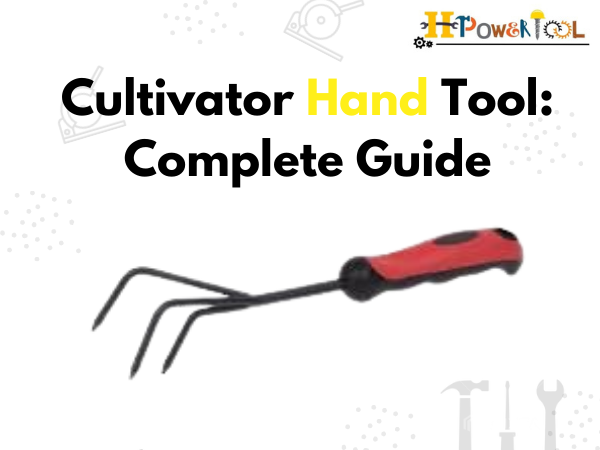
A cultivator hand tool is a manual gardening tool designed to loosen soil, remove weeds, and mix organic matter into the ground. It usually consists of a handle attached to two, three, or more curved metal tines. These tines dig into the soil when you pull or push the tool.
The main purpose of a cultivator hand tool is to improve soil structure. Loose soil allows water, oxygen, and nutrients to reach plant roots more easily. This leads to healthier plants and better growth.
Cultivator hand tools are widely used in:
- Home gardens
- Vegetable patches
- Flower beds
- Raised garden beds
- Small farms
- Balcony and container gardens
Why a Cultivator Hand Tool Is Important for Gardening
Many gardeners underestimate how important soil preparation is. Even the best seeds won’t grow well if the soil is compacted or full of weeds.
1. Improves Soil Aeration
Over time, soil becomes hard and compact due to watering, foot traffic, and weather. A cultivator hand tool breaks the soil surface and introduces air pockets. This helps roots breathe and grow deeper.
2. Supports Strong Root Development
Loose soil allows roots to spread easily. Plants with strong root systems absorb nutrients better and resist stress from heat or drought.
3. Makes Weeding Easier
The curved tines of a cultivator hand tool pull weeds out from the root. This prevents weeds from growing back quickly and competing with your plants.
4. Saves Time and Energy
Instead of digging with a shovel, a cultivator hand tool lets you work quickly and precisely, especially in small spaces.
Types of Cultivator Hand Tools
Not all cultivator hand tools are the same. Different designs are made for different gardening needs.
1. Three-Tine Cultivator Hand Tool
This is the most common type. It has three curved metal prongs and is ideal for:
- General soil loosening
- Weed removal
- Mixing compost
It offers good balance between control and strength.
2. Two-Tine Cultivator
A two-tine cultivator hand tool is narrower and more precise. It is useful for:
- Working close to plants
- Small garden beds
- Container gardening
This type reduces the risk of damaging roots.
3. Multi-Tine Cultivator
This version has four or more tines and is designed for:
- Larger soil areas
- Breaking tougher soil
- Faster cultivation
It requires slightly more effort but covers more ground.
4. Long-Handle Cultivator Hand Tool
This cultivator has a longer handle, allowing you to work while standing. It is suitable for:
- Larger gardens
- Reduced bending
- People with back pain
5. Ergonomic Cultivator Hand Tool
Designed with comfort in mind, ergonomic models feature:
- Soft-grip handles
- Angled shafts
- Lightweight materials
These are ideal for extended gardening sessions.
How to Use a Cultivator Hand Tool Properly
Using a cultivator hand tool correctly ensures better results and prevents damage to plants.
Step 1: Choose the Right Time
Soil should be slightly moist—not too dry or muddy. Moist soil is easier to loosen.
Step 2: Position the Tool
Hold the handle firmly and place the tines into the soil near the surface.
Step 3: Pull or Push Gently
Use a pulling or twisting motion to break the soil. Avoid applying too much force near plant roots.
Step 4: Remove Weeds
As you cultivate, remove weeds and their roots completely.
Step 5: Mix Organic Matter
You can mix compost or fertilizer into the soil during cultivation for better nutrient distribution.
Best Uses of a Cultivator Hand Tool
A cultivator hand tool is versatile and can be used for many gardening tasks.
Soil Preparation
Before planting seeds or seedlings, cultivation prepares the soil and improves texture.
Weed Control
Regular use prevents weeds from becoming established.
Fertilizer Mixing
It helps mix compost, manure, or fertilizer evenly into the soil.
Maintaining Raised Beds
Raised beds benefit from gentle cultivation without disturbing soil layers.
Container Gardening
Smaller cultivator hand tools work well in pots and planters.
Benefits of Using a Cultivator Hand Tools Over Power Tools
While power tillers and cultivators exist, hand tools still offer many advantages.
More Control
You can work close to plants without damaging them.
Affordable
Hand tools are much cheaper than powered equipment.
No Fuel or Electricity
No batteries, cords, or fuel needed.
Quiet and Eco-Friendly
Perfect for residential areas and environmentally conscious gardeners.
Low Maintenance
Requires minimal care compared to machines.
How to Choose the Best Cultivator Hand Tools
Choosing the right cultivator hand tool depends on your gardening needs.
1. Handle Material
- Wood: Traditional and comfortable
- Plastic: Lightweight and affordable
- Rubber grip: Best for comfort
2. Tine Material
- Stainless steel: Rust-resistant
- Carbon steel: Strong and durable
3. Size and Weight
Choose a size that matches your garden space and physical strength.
4. Ergonomic Design
If you garden frequently, comfort is important.
5. Durability
Look for solid construction and strong welds.
Maintenance Tips for Cultivator Hand Tools
Proper maintenance increases tool life.
- Clean soil after each use
- Dry the tool to prevent rust
- Store in a dry place
- Sharpen tines occasionally
- Apply light oil to metal parts
Common Mistakes to Avoid
Even simple tools can cause problems if used incorrectly.
Using on Very Hard Soil
Soak soil slightly before cultivation.
Applying Too Much Force
This can damage plant roots and strain your hands.
Ignoring Tool Size
Using a large cultivator in tight spaces reduces control.
Skipping Maintenance
Rusty tools are harder to use and less effective.
Cultivator Hand Tool for Beginners
For beginners, a basic three-tine cultivator hand tool with a comfortable grip is the best option. It’s easy to learn, affordable, and suitable for most gardening tasks.
Start with small areas, practice gentle movements, and gradually build confidence.
Cultivator Hand Tool vs Garden Hoe
While both tools are used in gardening, they serve different purposes.
- Cultivator hand tool: Loosens soil and removes weeds
- Garden hoe: Cuts weeds at the surface and shapes soil
Many gardeners use both tools together for best results.
Conclusion
A cultivator hand tool is one of the most valuable tools for any gardener. It improves soil quality, controls weeds, and supports healthy plant growth—all without the need for expensive equipment. Whether you are a beginner, a home gardener, or someone managing a small garden space, this tool offers simplicity, control, and effectiveness.
By choosing the right cultivator hand tool and using it correctly, you can maintain healthy soil, reduce garden labor, and enjoy better gardening results season after season.
Cultivator Hand Tool: Complete Guide for Gardening, Soil Care, and Weed Control
Gardening becomes much easier when you have the right tools. One simple but powerful tool that every gardener should own is the cultivator hand tool. Whether you are growing vegetables in your backyard, maintaining flower beds, or working with small planters, this tool helps improve soil health and plant growth.
Unlike heavy machines or power tools, a cultivator hand tool gives you full control. It allows you to work closely around plants without damaging roots, making it perfect for home gardens, small farms, and even apartment gardening spaces. In this article, you’ll learn everything about the cultivator hand tool—what it is, how it works, different types, benefits, correct usage, and how to choose the right one.
What Is a Cultivator Hand Tool?
A cultivator hand tool is a manual gardening tool designed to loosen soil, remove weeds, and mix organic matter into the ground. It usually consists of a handle attached to two, three, or more curved metal tines. These tines dig into the soil when you pull or push the tool.
The main purpose of a cultivator hand tool is to improve soil structure. Loose soil allows water, oxygen, and nutrients to reach plant roots more easily. This leads to healthier plants and better growth.
Cultivator hand tools are widely used in:
- Home gardens
- Vegetable patches
- Flower beds
- Raised garden beds
- Small farms
- Balcony and container gardens
Why a Cultivator Hand Tool Is Important for Gardening
Many gardeners underestimate how important soil preparation is. Even the best seeds won’t grow well if the soil is compacted or full of weeds.
1. Improves Soil Aeration
Over time, soil becomes hard and compact due to watering, foot traffic, and weather. A cultivator hand tool breaks the soil surface and introduces air pockets. This helps roots breathe and grow deeper.
2. Supports Strong Root Development
Loose soil allows roots to spread easily. Plants with strong root systems absorb nutrients better and resist stress from heat or drought.
3. Makes Weeding Easier
The curved tines of a cultivator hand tool pull weeds out from the root. This prevents weeds from growing back quickly and competing with your plants.
4. Saves Time and Energy
Instead of digging with a shovel, a cultivator hand tool lets you work quickly and precisely, especially in small spaces.
Types of Cultivator Hand Tools
Not all cultivator hand tools are the same. Different designs are made for different gardening needs.
1. Three-Tine Cultivator Hand Tool
This is the most common type. It has three curved metal prongs and is ideal for:
- General soil loosening
- Weed removal
- Mixing compost
It offers good balance between control and strength.
2. Two-Tine Cultivator
A two-tine cultivator hand tool is narrower and more precise. It is useful for:
- Working close to plants
- Small garden beds
- Container gardening
This type reduces the risk of damaging roots.
3. Multi-Tine Cultivator
This version has four or more tines and is designed for:
- Larger soil areas
- Breaking tougher soil
- Faster cultivation
It requires slightly more effort but covers more ground.
4. Long-Handle Cultivator Hand Tool
This cultivator has a longer handle, allowing you to work while standing. It is suitable for:
- Larger gardens
- Reduced bending
- People with back pain
5. Ergonomic Cultivator Hand Tool
Designed with comfort in mind, ergonomic models feature:
- Soft-grip handles
- Angled shafts
- Lightweight materials
These are ideal for extended gardening sessions.
How to Use a Cultivator Hand Tool Properly
Using a cultivator hand tool correctly ensures better results and prevents damage to plants.
Step 1: Choose the Right Time
Soil should be slightly moist—not too dry or muddy. Moist soil is easier to loosen.
Step 2: Position the Tool
Hold the handle firmly and place the tines into the soil near the surface.
Step 3: Pull or Push Gently
Use a pulling or twisting motion to break the soil. Avoid applying too much force near plant roots.
Step 4: Remove Weeds
As you cultivate, remove weeds and their roots completely.
Step 5: Mix Organic Matter
You can mix compost or fertilizer into the soil during cultivation for better nutrient distribution.
Best Uses of a Cultivator Hand Tool
A cultivator hand tool is versatile and can be used for many gardening tasks.
Soil Preparation
Before planting seeds or seedlings, cultivation prepares the soil and improves texture.
Weed Control
Regular use prevents weeds from becoming established.
Fertilizer Mixing
It helps mix compost, manure, or fertilizer evenly into the soil.
Maintaining Raised Beds
Raised beds benefit from gentle cultivation without disturbing soil layers.
Container Gardening
Smaller cultivator hand tools work well in pots and planters.
Benefits of Using a Cultivator Hand Tool Over Power Tools
While power tillers and cultivators exist, hand tools still offer many advantages.
More Control
You can work close to plants without damaging them.
Affordable
Hand tools are much cheaper than powered equipment.
No Fuel or Electricity
No batteries, cords, or fuel needed.
Quiet and Eco-Friendly
Perfect for residential areas and environmentally conscious gardeners.
Low Maintenance
Requires minimal care compared to machines.
How to Choose the Best Cultivator Hand Tool
Choosing the right cultivator hand tool depends on your gardening needs.
1. Handle Material
- Wood: Traditional and comfortable
- Plastic: Lightweight and affordable
- Rubber grip: Best for comfort
2. Tine Material
- Stainless steel: Rust-resistant
- Carbon steel: Strong and durable
3. Size and Weight
Choose a size that matches your garden space and physical strength.
4. Ergonomic Design
If you garden frequently, comfort is important.
5. Durability
Look for solid construction and strong welds.
Maintenance Tips for Cultivator Hand Tools
Proper maintenance increases tool life.
- Clean soil after each use
- Dry the tool to prevent rust
- Store in a dry place
- Sharpen tines occasionally
- Apply light oil to metal parts
Common Mistakes to Avoid
Even simple tools can cause problems if used incorrectly.
Using on Very Hard Soil
Soak soil slightly before cultivation.
Applying Too Much Force
This can damage plant roots and strain your hands.
Ignoring Tool Size
Using a large cultivator in tight spaces reduces control.
Skipping Maintenance
Rusty tools are harder to use and less effective.
Cultivator Hand Tool for Beginners
For beginners, a basic three-tine cultivator hand tool with a comfortable grip is the best option. It’s easy to learn, affordable, and suitable for most gardening tasks.
Start with small areas, practice gentle movements, and gradually build confidence.
Cultivator Hand Tool vs Garden Hoe
While both tools are used in gardening, they serve different purposes.
- Cultivator hand tool: Loosens soil and removes weeds
- Garden hoe: Cuts weeds at the surface and shapes soil
Many gardeners use both tools together for best results.
Conclusion
A cultivator hand tool is one of the most valuable tools for any gardener. It improves soil quality, controls weeds, and supports healthy plant growth—all without the need for expensive equipment. Whether you are a beginner, a home gardener, or someone managing a small garden space, this tool offers simplicity, control, and effectiveness.
By choosing the right cultivator hand tools and using it correctly, you can maintain healthy soil, reduce garden labor, and enjoy better gardening results season after season.
Auto Amazon Links: No products found.
Auto Amazon Links: No products found.