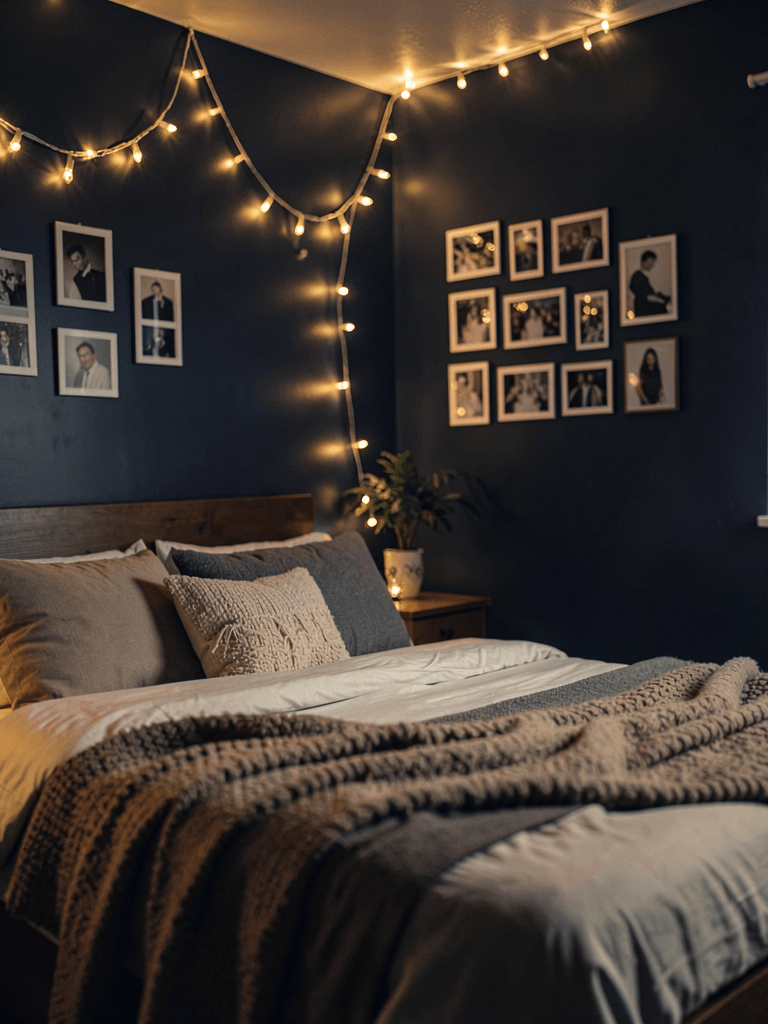
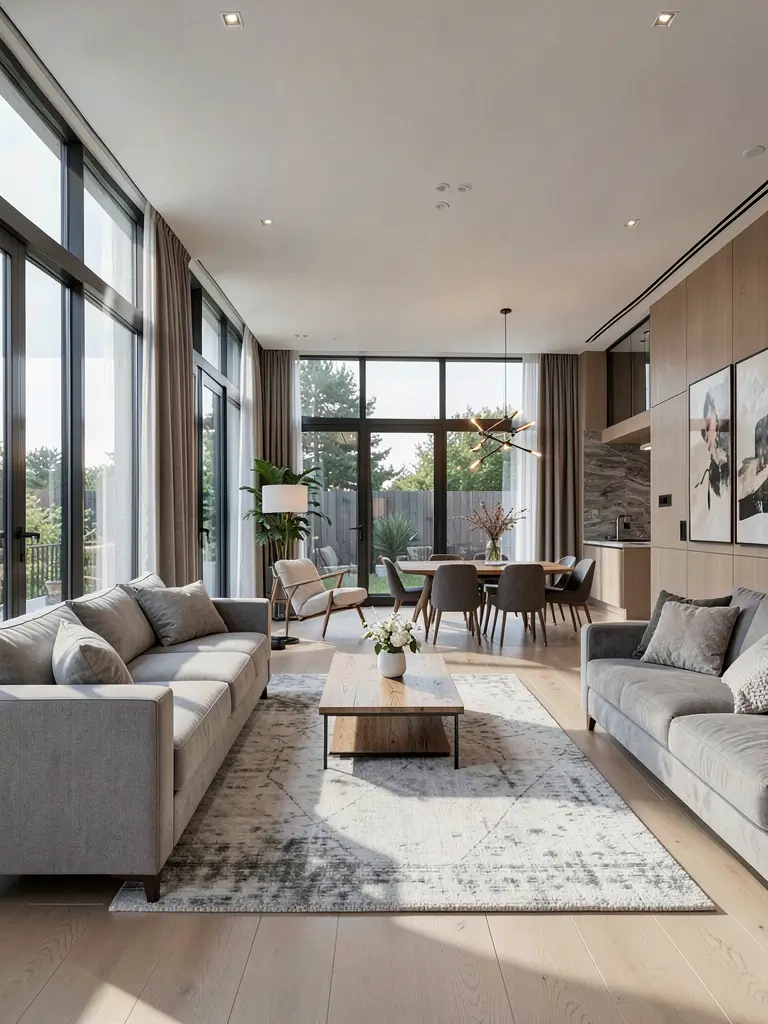
15 Chic Interior Design Living Room Ideas with Timeless Appeal
Your living room gets judged more than any other space in your home. Friends notice it first, family gathers there constantly, and you probably spend more waking hours in that room than anywhere else. Yet so many living rooms end up looking like furniture showrooms where nobody actually lives—stiff, impersonal, and about as inviting as a dentist’s waiting area.
I’ve redesigned countless living rooms over the years, including my own disaster of a space that featured a hand-me-down couch in questionable brown fabric and a coffee table I’m pretty sure came from a college dumpster. When I finally invested time into creating a living room interior design with actual intention, the transformation went beyond aesthetics. The room became a place people wanted to be, not just pass through.
Let’s explore 15 chic interior design living room ideas that deliver timeless appeal. These aren’t trendy looks that’ll feel dated next year—they’re foundational approaches that create beautiful, functional living spaces regardless of your style, budget, or square footage.
1. Small Living Room Layout Ideas
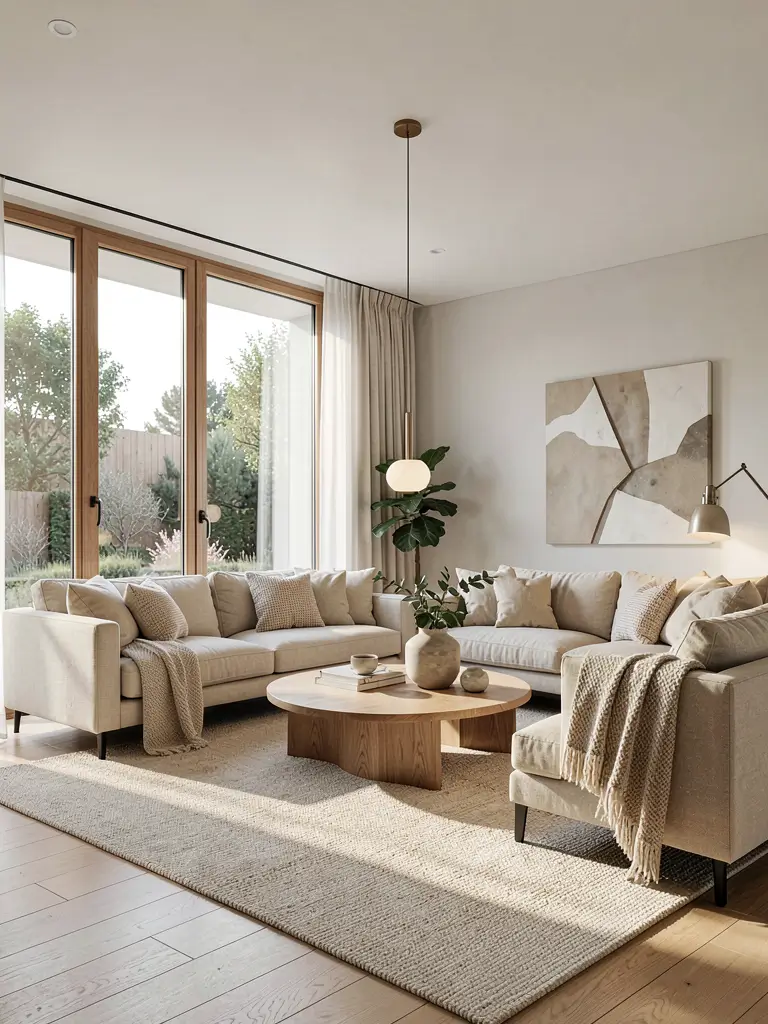
A small living room layout challenges you to think strategically about furniture placement and scale. Small living rooms force you to make smart choices that often result in better design than sprawling spaces where you can just throw furniture anywhere and call it done.
The key to small living room success lies in choosing appropriately scaled furniture and creating clear pathways. A massive sectional might look amazing in a showroom, but in a compact living room, it devours space and makes movement awkward. Instead, try a streamlined sofa with a pair of accent chairs that you can move around as needed.
I once redesigned a tiny living room by swapping the oversized sectional for a loveseat and two lightweight chairs. We added a round coffee table instead of the rectangular behemoth taking up half the room. Suddenly the space felt twice as large even though we hadn’t changed the actual dimensions at all.
Smart small living room strategies:
- Choose furniture with exposed legs to create visual lightness
- Use round or oval coffee tables that allow better traffic flow
- Mount the TV to free up floor space
- Add mirrors to reflect light and create depth
- Go vertical with tall bookcases instead of spreading horizontally
Ever notice how the best small living rooms feel intentional rather than cramped? That difference comes from thoughtful furniture selection and resisting the urge to fill every inch. Leave some breathing room, and your small living room will feel cozy instead of claustrophobic.
2. Luxury Living Room Design Inspiration
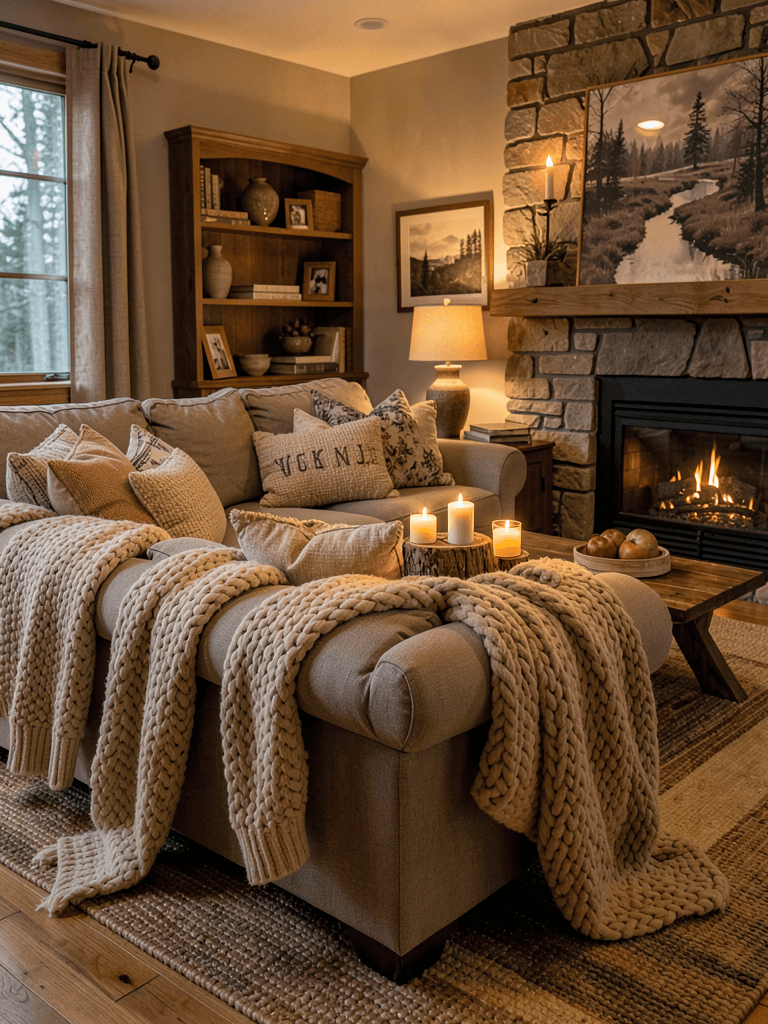
A luxury living room design doesn’t just mean expensive furniture—it means creating a space that feels refined, comfortable, and completely considered. Luxury shows up in quality materials, beautiful proportions, and details that demonstrate care and thoughtfulness.
Luxury living rooms layer textures and materials beautifully. You might see a velvet sofa paired with a marble coffee table, silk pillows, a wool rug, and brass lighting. These varied materials create visual richness that elevates the entire space beyond what any single element could achieve alone.
I love how luxury design prioritizes comfort alongside beauty. A gorgeous sofa means nothing if sitting on it feels like perching on a park bench. True luxury makes you want to sink in and stay awhile, which requires investing in quality construction and proper cushioning.
Luxury living room elements:
- High-quality upholstery in velvet, leather, or fine linen
- Statement lighting like chandeliers or sculptural fixtures
- Layered window treatments combining sheers and heavier drapes
- Architectural details such as crown molding or coffered ceilings
- Curated art rather than mass-produced prints
Luxury lives in restraint too. A few perfect pieces create more impact than a room stuffed with mediocre items. Edit ruthlessly, invest in quality where it matters, and your living room will exude sophistication regardless of your actual budget.
3. Modern Neutral Living Room Styles
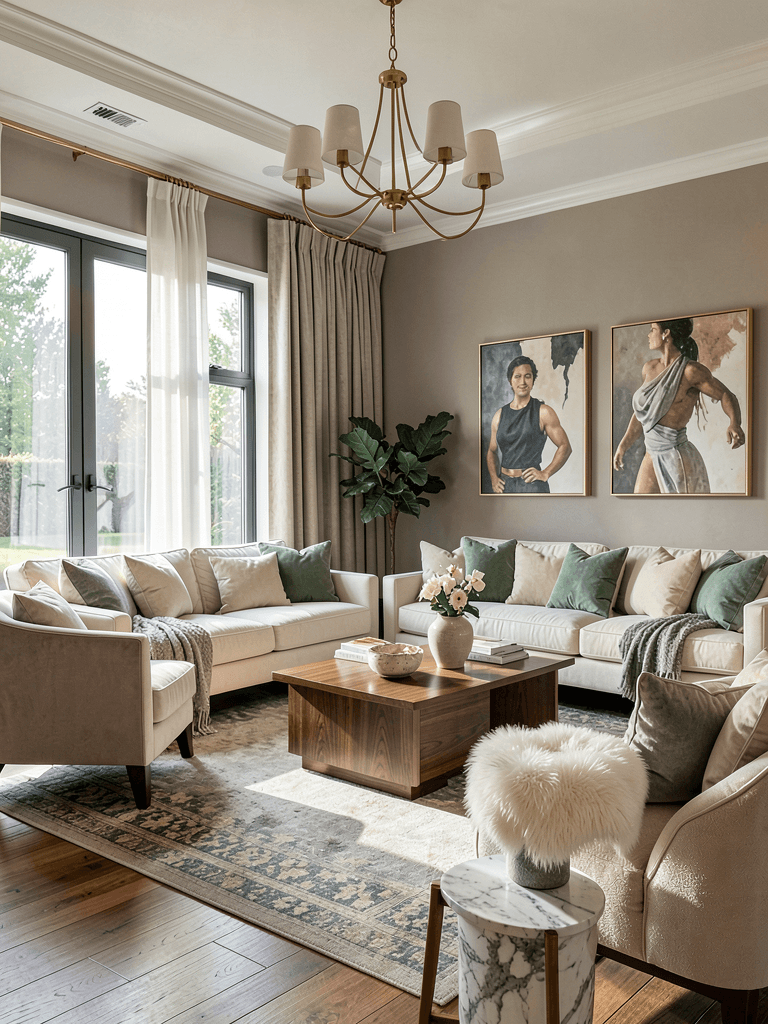
A modern neutral living room uses beiges, grays, whites, and natural wood tones to create sophisticated, adaptable spaces. Neutral living rooms provide timeless backdrops that never look dated and work with virtually any accent color you want to introduce.
Neutrals get unfairly dismissed as boring, but layered neutrals create incredibly elegant spaces. A modern neutral living room might combine warm beige walls, a charcoal gray sofa, cream pillows, natural wood furniture, and brass accents. The monochromatic palette feels cohesive while the varied tones create depth and interest.
I designed a neutral living room for a client who wanted flexibility to change accessories seasonally. The neutral base allowed her to swap pillows, throws, and art throughout the year without redoing the entire room. That adaptability made the neutral palette brilliantly practical.
Building beautiful neutral living rooms:
- Layer multiple neutral tones for depth
- Mix warm and cool neutrals to prevent flatness
- Add extensive texture through fabrics and materials
- Include natural materials like wood, stone, and plants
- Use varied finishes in matte, glossy, and textured surfaces
Neutral doesn’t mean colorless. Warm beiges, soft greiges, and creamy whites all count as neutrals while providing more warmth than stark white and gray. Choose neutrals with undertones that complement your lighting and create the mood you want.
Also Read: 15 Chic Red and Black Bedroom Ideas with Dramatic Flair
4. Cozy Living Room Decor Ideas
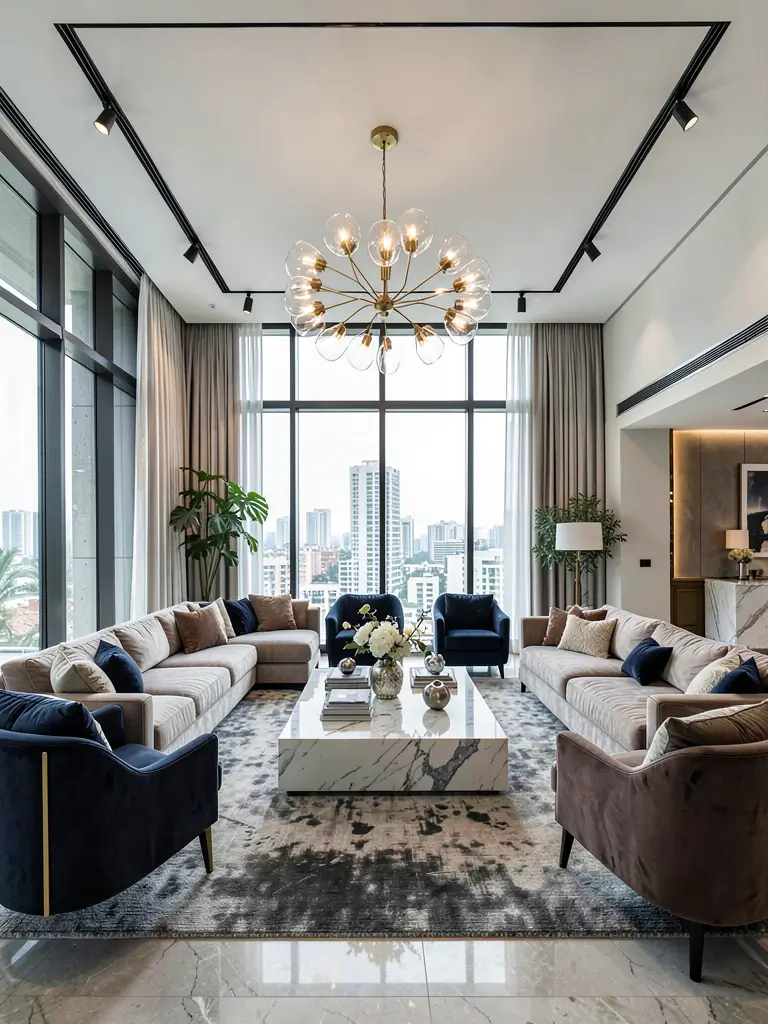
A cozy living room decor wraps you in warmth and comfort the moment you enter. Cozy living rooms prioritize soft textures, warm colors, layered lighting, and inviting arrangements that encourage people to settle in and relax.
Cozy living rooms layer textiles extensively. Throw blankets draped over sofas, multiple pillows in varying textures, area rugs defining seating zones, and curtains softening windows all contribute to that enveloping comfort. The more soft surfaces you add, the cozier the room feels.
I transformed a cold, modern living room into a cozy retreat by adding texture everywhere—chunky knit throws, velvet pillows, a plush area rug, and linen curtains. The furniture stayed the same, but the room went from “nice to look at” to “never want to leave” with just textile additions.
Creating living room coziness:
- Layer multiple light sources instead of relying on overhead lighting
- Use warm color temperatures in bulbs (2700K-3000K)
- Add soft textiles through pillows, throws, and rugs
- Include warm wood tones in furniture and accents
- Create conversation zones with furniture arranged for interaction
Compare cold versus cozy living rooms and you’ll notice lighting makes a massive difference. Harsh overhead lights kill coziness instantly. Multiple soft sources—table lamps, floor lamps, sconces—create that warm glow that makes everyone look better and feel more relaxed.
5. Elegant Living Room Color Combinations
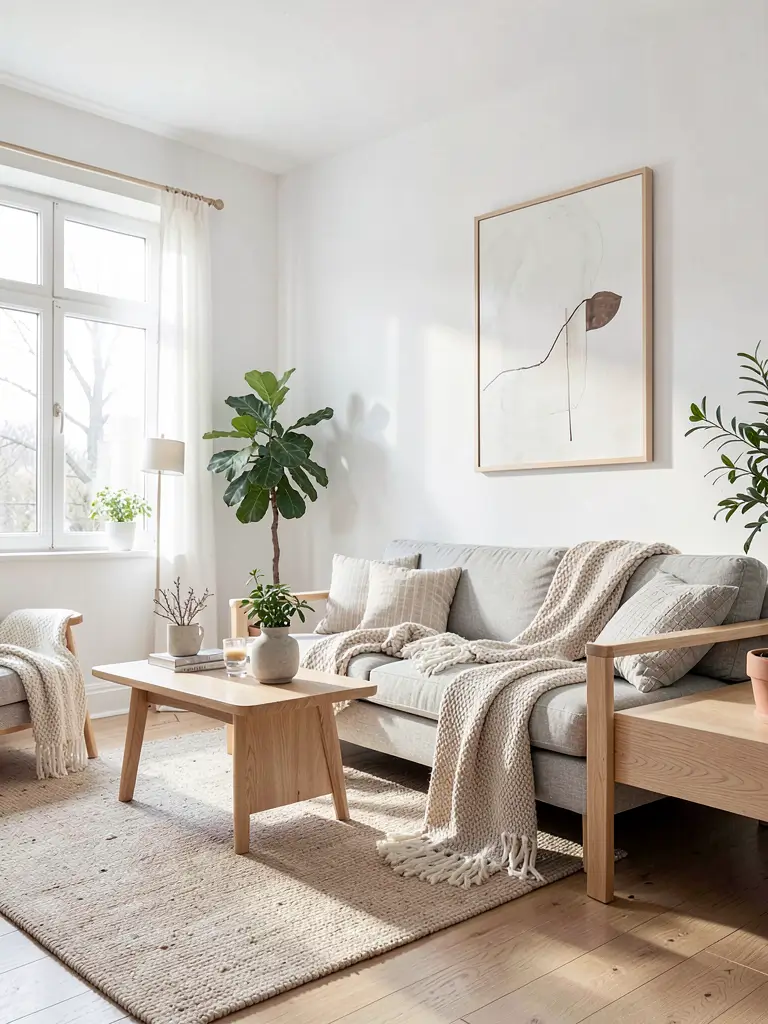
An elegant living room color combination uses sophisticated palettes that feel refined and timeless. Elegant color schemes avoid trendy brights in favor of classic combinations that age gracefully and create calm, beautiful spaces.
Some color combinations just work. Navy and white with brass accents. Soft gray with blush pink and gold. Cream with chocolate brown and cognac leather. These pairings feel intentional and polished without requiring design expertise to pull off.
I once helped a friend choose colors for her living room. She wanted bold red walls, which I gently steered toward a sophisticated deep burgundy instead. Paired with cream upholstery and brass accents, the result looked rich and elegant rather than aggressive. Small color adjustments create big mood differences.
Timeless living room color palettes:
- Navy, white, and brass for classic sophistication
- Soft gray, blush, and gold for feminine elegance
- Cream, chocolate, and cognac for warm richness
- Sage green, cream, and natural wood for organic calm
- Charcoal, ivory, and black for dramatic contrast
Choose one dominant color, one secondary color, and one accent color for a balanced palette. That 60-30-10 ratio creates visual harmony that feels professional and intentional. Too many competing colors create chaos, while a clear hierarchy feels pulled together.
6. Minimalist Living Room Makeover Ideas
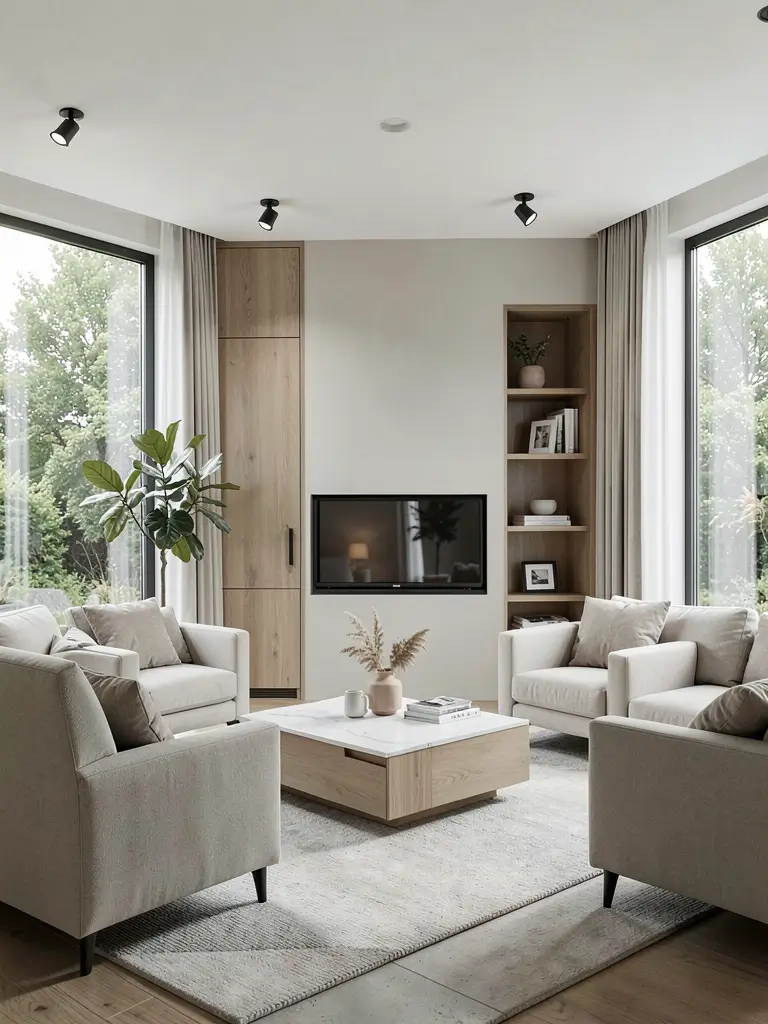
A minimalist living room makeover strips away excess to focus on essentials. Minimalist living rooms feature simple furniture, neutral palettes, hidden storage, and carefully curated decor. The result feels calm, spacious, and surprisingly luxurious in its restraint.
Minimalism forces you to edit ruthlessly. Each item in a minimalist living room needs to earn its place through either function or beauty—preferably both. That discipline creates rooms that feel intentional and peaceful rather than accidentally assembled.
I shifted to a minimalist living room after years of cluttered spaces, and the mental clarity shocked me. When I removed visual noise, my stress levels dropped. The room felt larger despite unchanged dimensions, and cleaning became infinitely easier with less stuff to manage.
Minimalist living room principles:
- Choose quality over quantity in every purchase
- Hide storage to keep surfaces clear
- Limit color palette to two or three tones
- Select multi-functional furniture that serves multiple needs
- Display very selectively with only meaningful items
Minimalism doesn’t mean cold or uncomfortable. Add warmth through natural materials, soft textiles, and warm lighting. A minimalist living room with these warmer elements feels contemporary yet inviting—proof that less really can be more.
Also Read: 15 Sophisticated Black Dresser Bedroom Ideas You’ll Love
7. High-End Living Room Furniture Arrangements
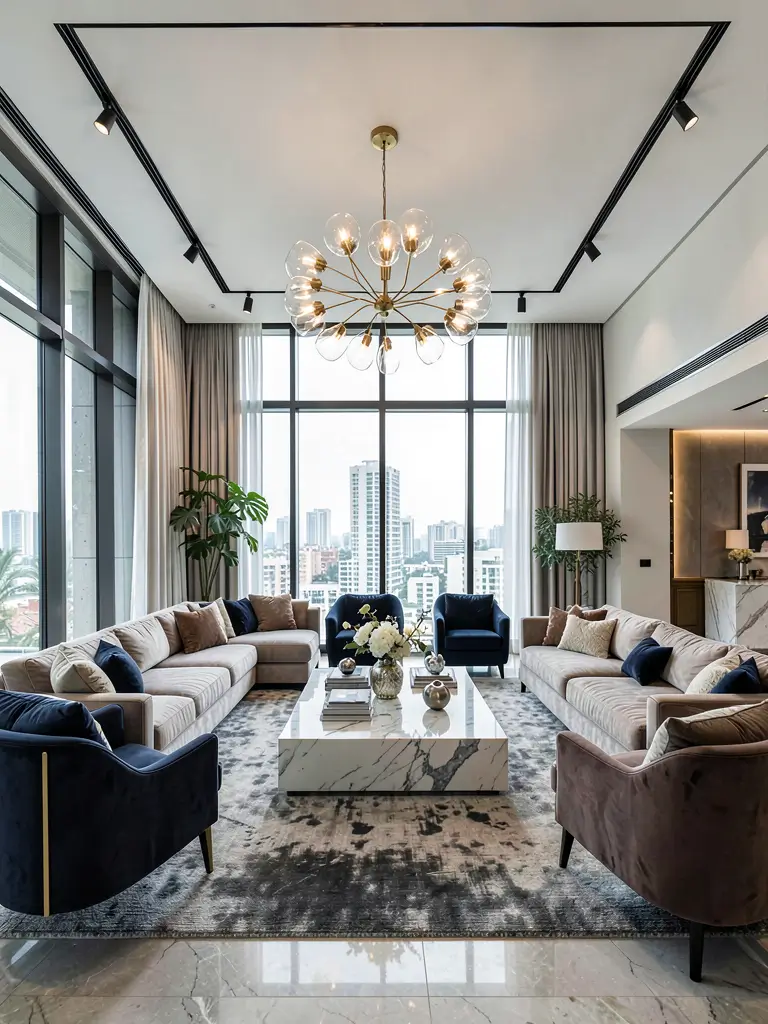
A high-end living room furniture arrangement creates sophisticated layouts that balance beauty with function. Great furniture arrangements facilitate conversation, frame focal points, and create natural traffic patterns that make the room work beautifully.
Furniture arrangement matters more than the actual pieces. I’ve seen expensive furniture arranged poorly create awkward, dysfunctional rooms. Meanwhile, budget pieces arranged thoughtfully can look and feel high-end. Placement beats price every time.
The key to high-end arrangements? Create conversation zones where people can comfortably interact. Sofas and chairs facing each other across a coffee table invite conversation. Furniture pushed against walls creates dead zones where people perch awkwardly instead of settling in.
High-end arrangement principles:
- Float furniture away from walls to create intimacy
- Anchor seating around a coffee table or ottoman
- Create clear pathways with at least 30 inches clearance
- Balance the room with furniture distributed throughout
- Layer the space with multiple functional zones
Ever notice how hotel lobbies arrange furniture in clusters rather than lines? That grouping creates multiple conversation zones and makes large spaces feel approachable. Apply the same principle in your living room for instantly more sophisticated arrangements.
8. Scandinavian Living Room Design Trends
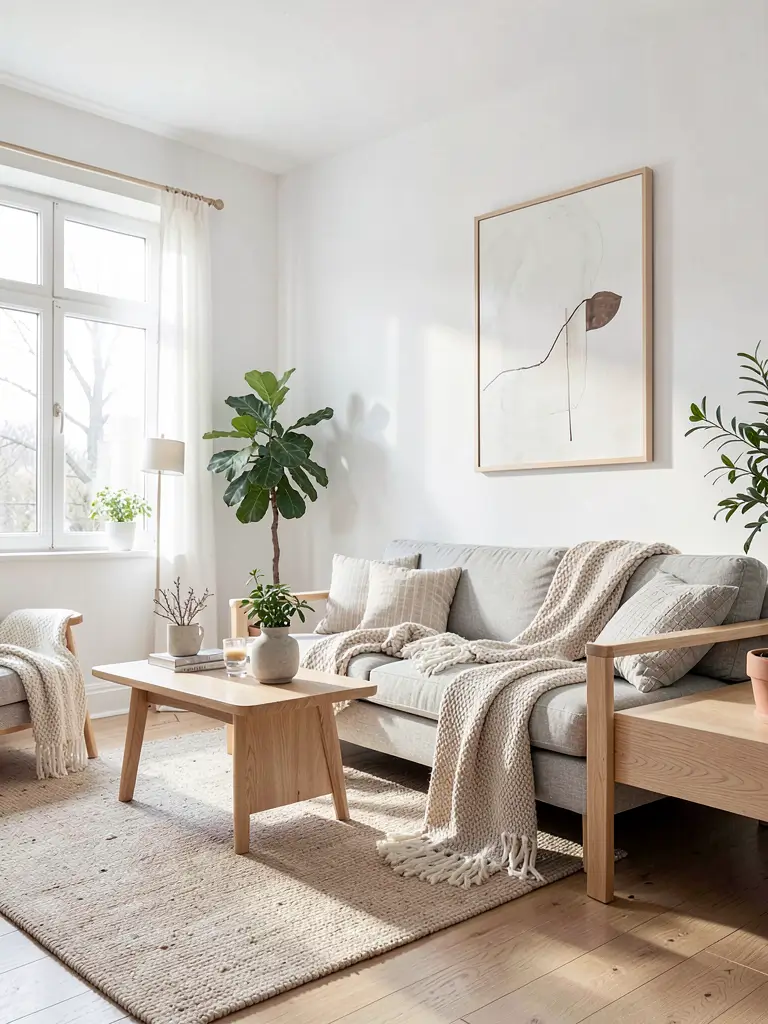
A Scandinavian living room design brings Nordic simplicity, natural materials, and functional beauty together. Scandi living rooms feature white walls, light wood, clean lines, and that signature cozy minimalism that makes spaces feel both serene and inviting.
Scandinavian design masters the balance between minimal and warm. A Scandi living room might include white walls, a light wood floor, a simple gray sofa, white and gray textiles, and plants for organic warmth. The palette stays neutral, but layered textures prevent coldness.
I love Scandinavian living rooms for their brightness and simplicity. They feel clean and organized but never sterile or uncomfortable. The emphasis on natural light, natural materials, and functional design creates spaces that just work beautifully.
Scandinavian living room features:
- White or light walls to maximize brightness
- Light wood furniture and floors in birch, ash, or pine
- Simple, functional furniture with clean lines
- Neutral textiles in whites, grays, and natural fibers
- Minimal decoration with greenery and simple art
Add warmth to Scandinavian living rooms through layered textiles. Sheepskin throws, chunky knit pillows, and woven rugs bring coziness while maintaining the clean aesthetic. That combination of bright and cozy defines Scandi style perfectly.
9. Budget-Friendly Living Room Transformations
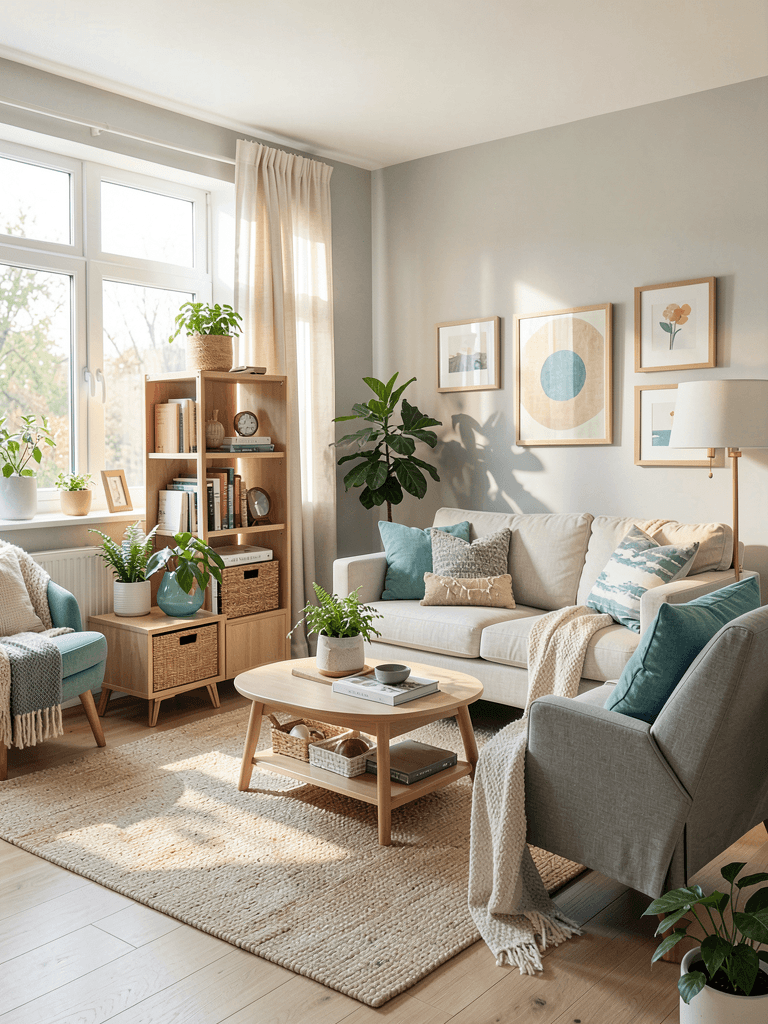
A budget-friendly living room transformation proves you don’t need unlimited funds to create beautiful spaces. Smart shopping, DIY projects, creative repurposing, and strategic spending can completely transform a living room without financial stress.
I’ve redesigned living rooms on tight budgets that looked better than expensive makeovers. The secret? Know where to save and where to splurge. Paint is cheap and transformative. Thrift stores hide treasures. Rearranging existing furniture costs nothing but time.
Budget transformations often show more personality than expensive ones because they require creativity. When you can’t just buy everything new, you find unique solutions that make the room feel personal and interesting rather than catalog-perfect.
Budget living room strategies:
- Paint walls for dramatic impact at minimal cost
- Rearrange existing furniture before buying anything new
- Shop secondhand for unique pieces with character
- DIY simple projects like painting furniture or making art
- Splurge strategically on key pieces like the sofa
FYI, slipcovers can transform ugly furniture into fresh, beautiful pieces for a fraction of replacement costs. I’ve saved so many “hopeless” sofas with good slipcovers that suddenly looked expensive and intentional. 🙂
Also Read: 15 Chic Red and Black Bedroom Ideas with Dramatic Flair
10. Contemporary Living Room Styling Ideas
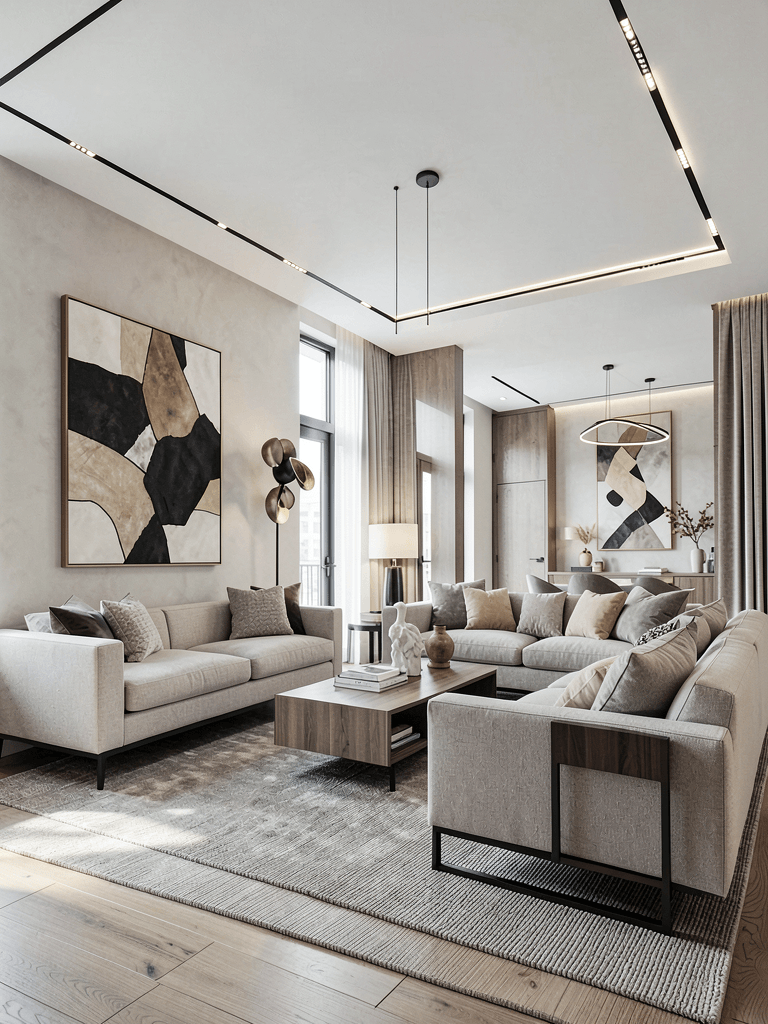
A contemporary living room styling reflects current design trends while maintaining timeless appeal. Contemporary living rooms feature clean lines, interesting materials, artistic elements, and a mix of textures that feels current without chasing every passing fad.
Contemporary differs from modern in its willingness to incorporate curves, bold colors, and more decorative elements. A contemporary living room might include a curved sofa, abstract art, statement lighting, and a mix of materials like velvet, marble, and brass.
I appreciate contemporary design because it allows personality while maintaining sophistication. You can bring in color, pattern, and unique pieces without abandoning the clean, pulled-together aesthetic that makes spaces feel polished.
Contemporary living room elements:
- Mix of organic and geometric shapes
- Bold accent colors against neutral backgrounds
- Statement art as focal points
- Varied materials like wood, metal, glass, and stone
- Artistic lighting that functions as sculpture
Contemporary living rooms stay current by incorporating a few trendy elements while keeping foundations classic. Swap accent pieces as trends shift, but invest in quality foundational furniture that lasts through changing styles.
11. Bright and Airy Living Room Designs
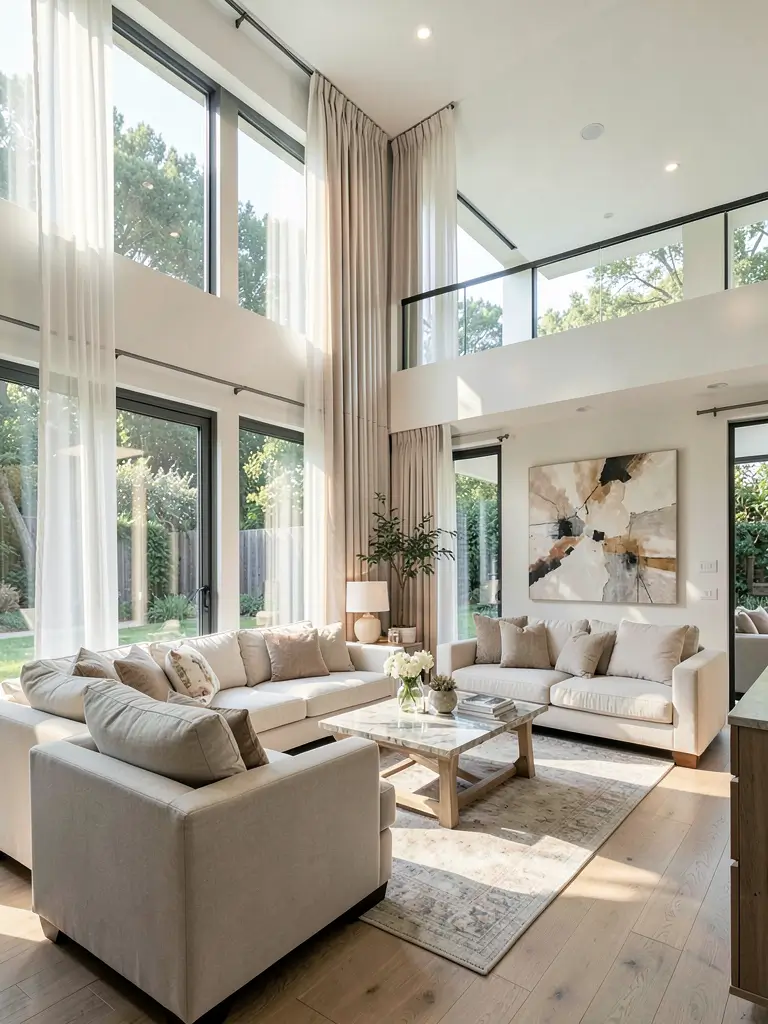
A bright and airy living room design maximizes natural light and creates open, breathable spaces. Bright living rooms use light colors, reflective surfaces, minimal window treatments, and strategic furniture placement to enhance every bit of available light.
Light transforms living rooms completely. A naturally bright room feels larger, more inviting, and more energizing than a dim one. If you’re blessed with good natural light, design choices that maximize it create the best possible foundation.
I redesigned a dark living room by painting walls white, removing heavy curtains, adding mirrors opposite windows, and choosing light-colored furniture. The transformation was dramatic—same room, same windows, completely different feeling. Light makes that much difference.
Creating bright, airy living rooms:
- Use white or light neutral walls to reflect light
- Choose sheer or minimal window treatments
- Add mirrors to reflect and multiply light
- Select light-colored furniture and textiles
- Keep floors clear to maintain visual openness
Compare heavy versus light window treatments in bright living rooms. Heavy drapes might provide privacy and drama, but they block precious natural light. Sheers or simple blinds offer privacy while preserving brightness—a worthwhile tradeoff in most cases.
12. Statement Wall Ideas for Living Rooms
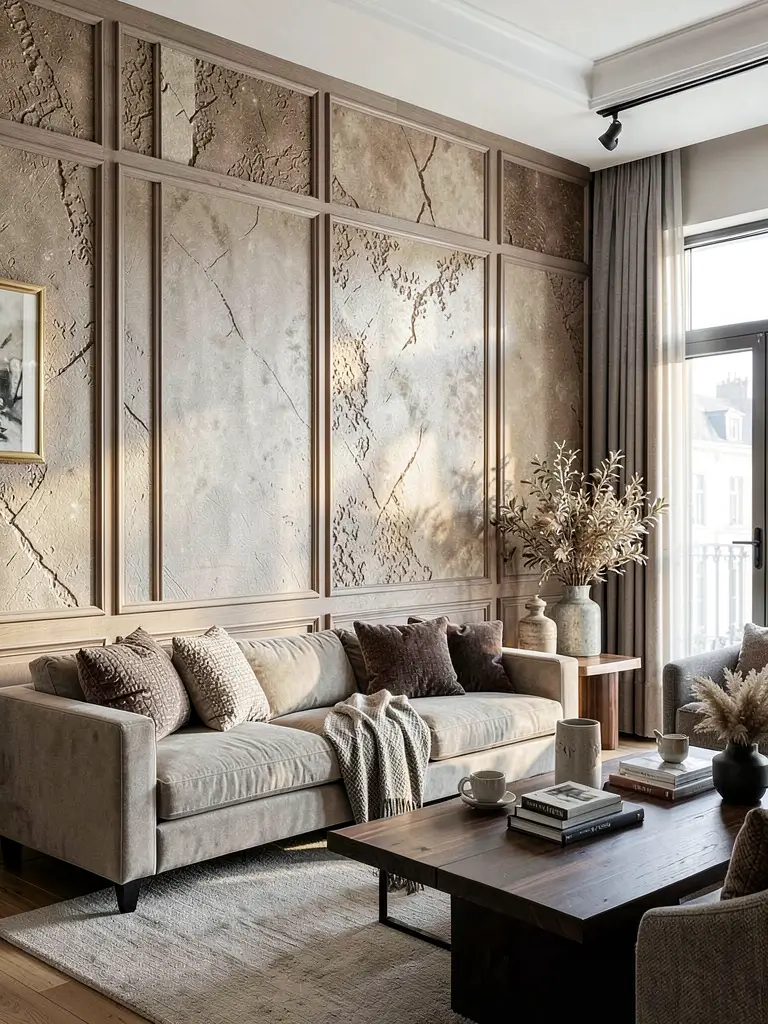
A statement wall creates a focal point that anchors your living room design. Statement walls use bold color, interesting materials, or artistic treatments to draw the eye and add personality without overwhelming the entire space.
Statement walls give you permission to go bold in a controlled way. You might hesitate to paint an entire living room navy, but one accent wall in that rich color creates drama without commitment. The contrast between the bold wall and neutral surroundings creates visual interest.
I installed a wood plank accent wall behind a TV in a bland living room, and it completely transformed the space. The natural texture added warmth and interest, while the horizontal lines made the room feel wider. One wall, massive impact.
Statement wall options:
- Bold paint colors on a single focal wall
- Wood planks in various finishes and orientations
- Wallpaper with pattern or texture
- Gallery walls of art and photos
- Textured materials like brick, stone, or tile
Choose the wall behind your sofa or the one holding your TV for statement treatment. These natural focal points deserve emphasis, and treating them specially creates intentional design that feels professional and polished.
13. Open Concept Living Room Design Ideas
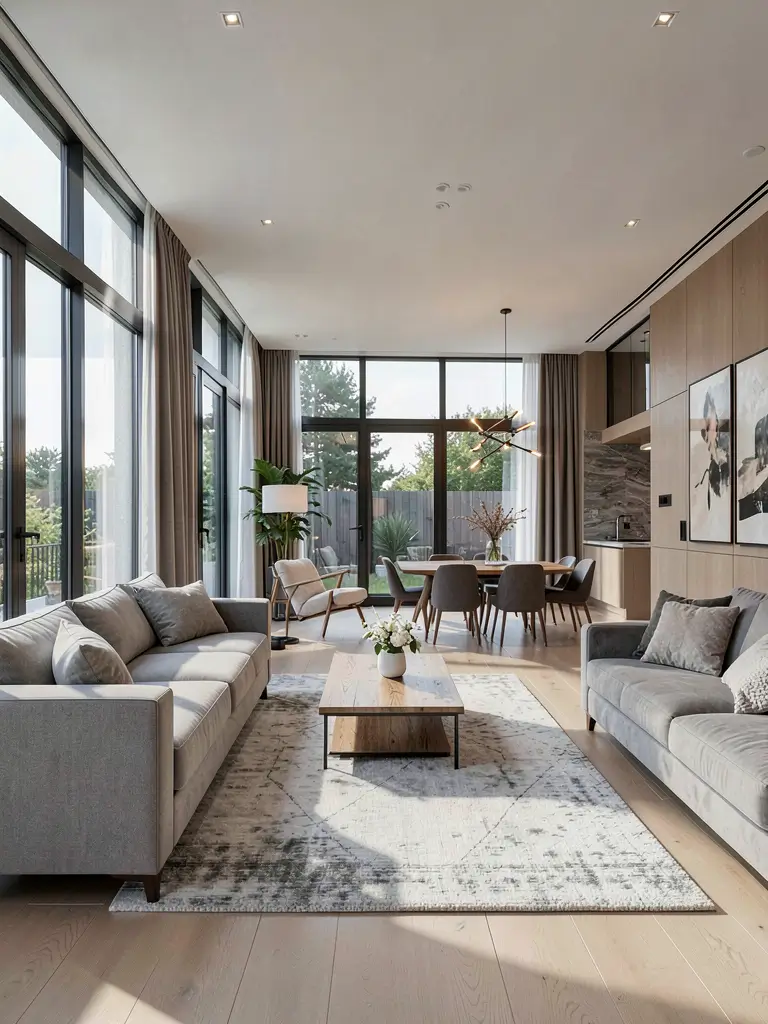
An open concept living room design flows seamlessly into adjacent spaces like kitchens or dining areas. Open concept living rooms require thoughtful furniture placement and visual tricks to define the living zone while maintaining the flowing, spacious feel.
Open concept spaces feel larger and more social, but they challenge you to create definition without walls. How do you mark where the living room ends and the dining area begins? Strategic furniture placement and area rugs become your tools for creating zones.
I designed an open concept living room by using the back of the sofa as a room divider, placing it perpendicular to the kitchen. An area rug defined the seating zone, while different lighting marked each functional area. The space felt open yet organized—exactly what open concept should achieve.
Defining open concept living rooms:
- Use furniture backs as soft dividers
- Anchor zones with area rugs
- Create different ceiling heights or treatments for each zone
- Vary lighting to distinguish functional areas
- Maintain consistent color to preserve visual flow
Balance definition with openness in open concept designs. You want enough separation to create distinct zones, but not so much that you defeat the purpose of the open layout. That sweet spot makes open concept living work beautifully.
14. Timeless Living Room Decor Inspirations
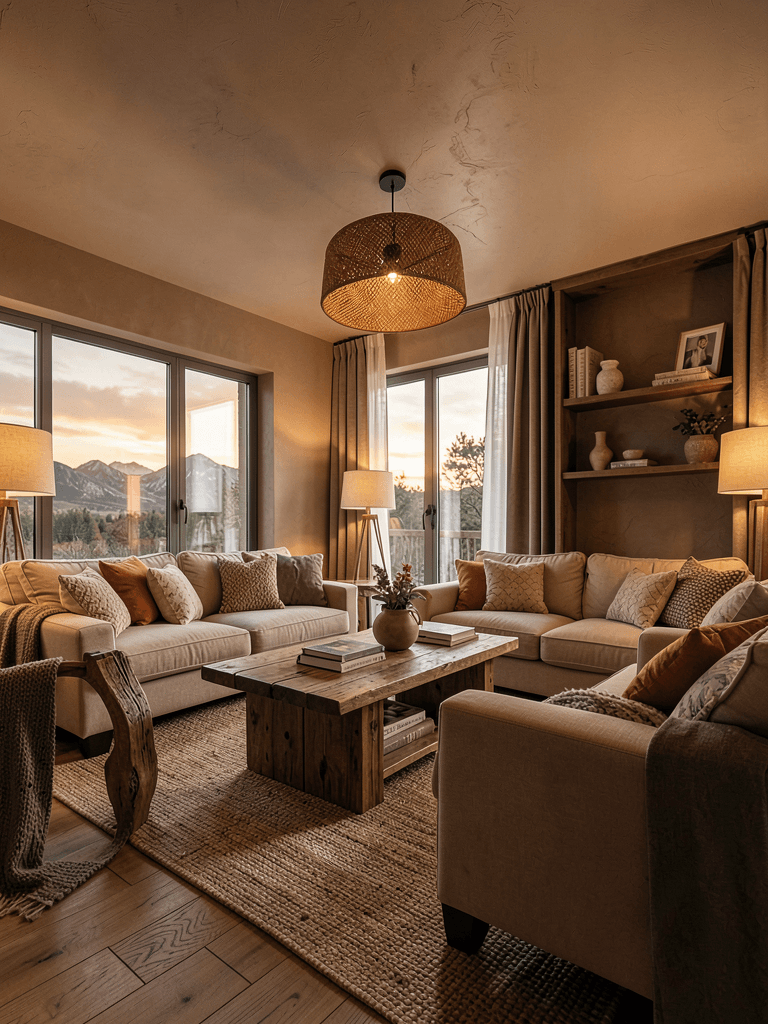
A timeless living room decor avoids fleeting trends in favor of classic pieces and arrangements that age gracefully. Timeless living rooms use proven combinations, quality materials, and balanced proportions that look beautiful today and will still look good decades from now.
Timeless doesn’t mean boring—it means smart. Classic furniture shapes, neutral foundations with accent flexibility, quality construction that lasts, and balanced proportions all contribute to rooms that transcend temporary trends.
I always tell clients to invest in timeless foundations and add personality through easily changeable elements. A classic sofa in neutral fabric lasts forever. Trendy pillows and art that you swap out keep the room feeling current without requiring total renovations every few years.
Timeless living room elements:
- Classic furniture silhouettes like Chesterfield sofas or wingback chairs
- Neutral foundations that work with changing accents
- Quality construction that lasts decades
- Traditional layouts that facilitate conversation
- Natural materials like wood, stone, and cotton
Avoid furniture or finishes that scream a specific decade. That ultra-trendy piece might feel exciting now, but will it embarrass you in five years? Timeless choices stay beautiful regardless of what Pinterest currently promotes.
15. Warm and Inviting Living Room Aesthetics
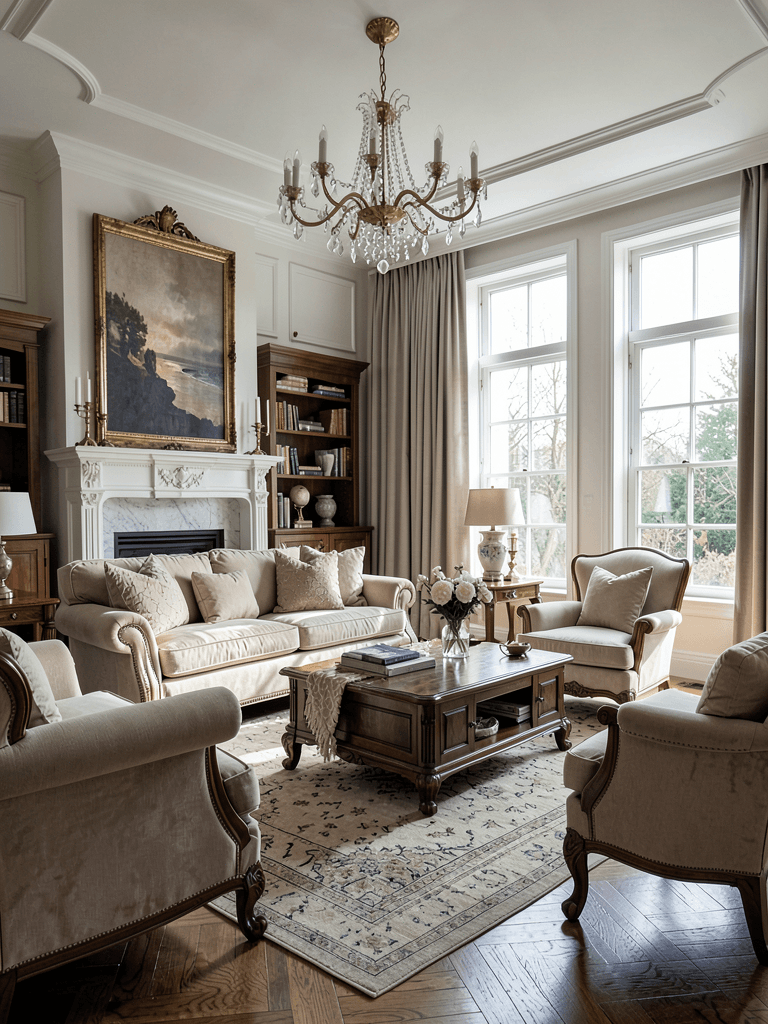
A warm and inviting living room aesthetic creates spaces where people naturally gather and linger. Warm living rooms use cozy colors, soft lighting, comfortable furniture, and personal touches that make everyone feel welcome and relaxed.
Warmth comes from layering the right elements. Warm wall colors, soft textiles, natural wood tones, and golden-toned lighting all contribute to that enveloping comfort. Cool grays and bright whites create different moods—beautiful but not necessarily warm.
I transformed a sterile modern living room into a warm retreat by swapping cool grays for warm beiges, adding wood furniture, installing warm-toned bulbs, and layering in soft textiles. Same layout, completely different feeling. Warmth is about choices, not budget.
Creating warm living room aesthetics:
- Choose warm colors like beiges, creams, and warm grays
- Use warm lighting (2700K-3000K bulbs)
- Add natural wood in furniture and accents
- Layer soft textiles for tactile warmth
- Include personal items like photos and meaningful objects
IMO, the warmest living rooms always include personal touches—family photos, travel souvenirs, handmade items. These elements make spaces feel lived-in and loved rather than staged for a magazine. Perfection is cold; personality is warm.
Pulling Together Your Living Room Design
With fifteen different approaches, how do you choose the right direction for your living room interior design? Start by answering key questions about your space, lifestyle, and preferences.
Assess Your Actual Needs
How do you actually use your living room? If you host frequently, conversation-friendly furniture arrangements matter. If you watch TV nightly, comfortable seating facing the screen makes sense. Design for reality, not fantasy.
I see too many living rooms designed for entertaining that never happens while neglecting the daily TV-watching that actually occurs. Design for how you live, and your living room will serve you better.
Consider Your Home’s Architecture
A formal living room in a traditional home calls for different design than a casual space in a modern loft. Work with your home’s existing character rather than fighting it. That harmony creates better results than forcing mismatched styles together.
Match your living room’s formality level to the rest of your home. A super casual living room in an elegant house feels jarring. A stuffy formal living room in a relaxed beach cottage seems equally wrong.
Define Your Personal Style
Which of these fifteen ideas resonated most? Did you love the luxury living room design, or did the budget-friendly transformation speak to you? Your instinctive reactions reveal your true preferences—trust them.
Don’t design for resale or what you think you “should” like. You live in this space daily. Create a living room that genuinely makes you happy, and it’ll serve you beautifully regardless of design rules.
Making Your Living Room Actually Livable
Pretty inspiration photos don’t help if your living room doesn’t function well. Before finalizing any design decisions, consider these practical elements that separate beautiful-but-useless rooms from truly great living spaces.
Furniture Scale Matters Enormously
Measure your living room and potential furniture carefully. A sofa that looks perfect online might overwhelm your actual space. Too-large furniture makes rooms feel cramped; too-small furniture looks lost and awkward.
I always create floor plans before buying furniture. Knowing exact dimensions prevents expensive mistakes like sofas that don’t fit through doorways or coffee tables you can’t walk around. :/
Lighting Layers Create Flexibility
Every living room needs multiple light sources at different levels—ambient overhead lighting, task lighting for reading, and accent lighting for mood. That variety creates flexibility for different activities and times of day.
Install dimmers wherever possible. The ability to adjust brightness transforms how your living room functions from morning to evening, from energizing to relaxing.
Comfort Beats Beauty Every Time
A gorgeous sofa means nothing if sitting on it hurts. Always test furniture for comfort before buying. You’ll spend hours on these pieces—they need to feel as good as they look.
Prioritize deep seats, supportive backs, and quality cushioning. Beautiful but uncomfortable furniture becomes expensive art you never use, which defeats the entire purpose of a living room.
Conclusion: Create Your Timeless Living Room
The best interior design living room ideas combine style with real functionality. Whether you choose luxury living room design for refined comfort, minimalist living room makeovers for calm simplicity, Scandinavian living room trends for bright warmth, or budget-friendly living room transformations for creative solutions, your living room should serve your life beautifully.
Your living room sets the tone for your entire home. It’s where you relax after long days, where you connect with family and friends, where life actually happens. That space deserves thoughtful design that makes it work hard and look beautiful simultaneously.
Stop settling for a living room that doesn’t inspire you. Choose the approach that fits your style and needs, plan thoughtfully for both beauty and function, and create a living room that makes coming home the best part of your day. These fifteen timeless ideas give you the roadmap—now you just need to take the first step toward the living room you’ve always wanted. 🙂