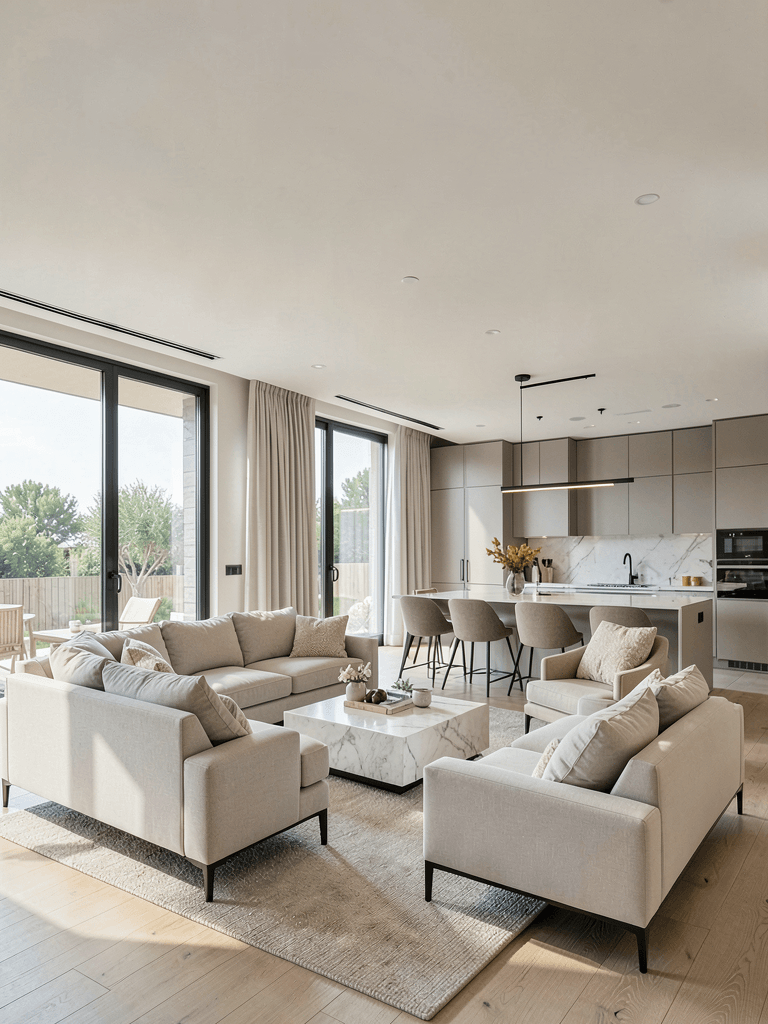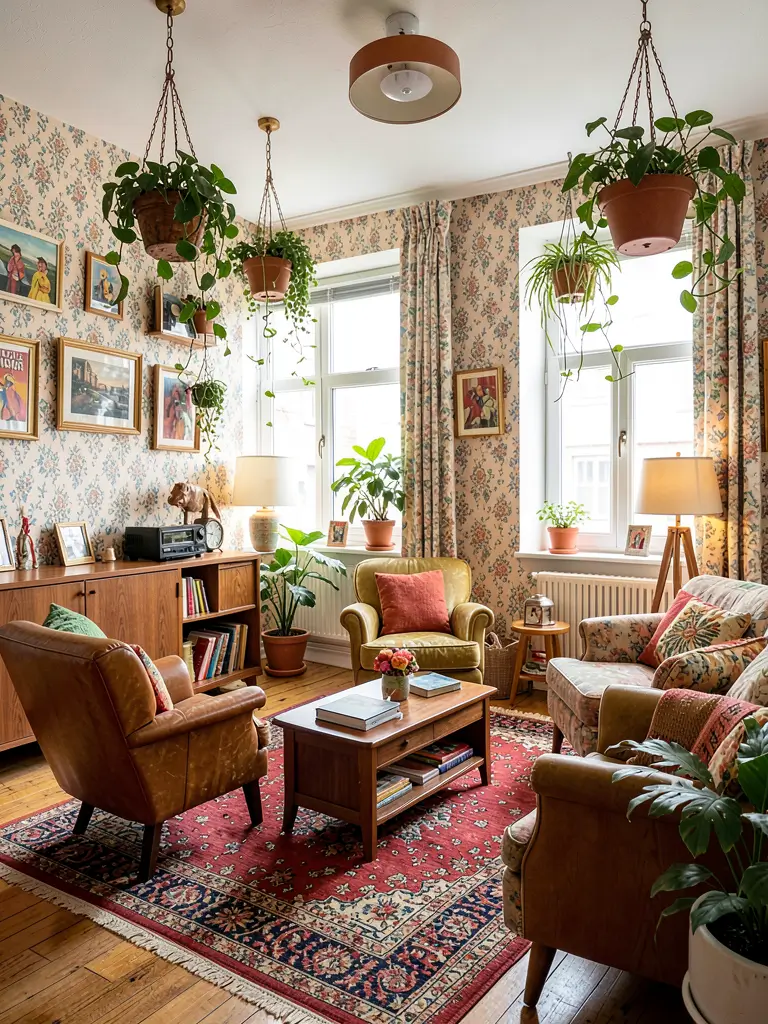
15 Amazing Home Interior Design Ideas for Modern Living
Your couch is sagging, your walls are that dreaded “landlord beige,” and you swear you’ll finally fix that corner that’s been collecting dust bunnies since 2019. We’ve all been there. I spent three years staring at my own living room, telling myself I’d “get around to it,” until one Saturday I accidentally knocked over a vase and realized the rug underneath had a mysterious stain that had been there since the Obama administration. That was my breaking point.
The truth is, home interior design doesn’t require a massive budget or an architecture degree. It just requires a bit of intention and the willingness to make a few bold choices. Whether you live in a sprawling suburban home or a cozy city apartment, these ideas will help you transform your space from “meh” to “wow” without requiring you to sell a kidney. Let’s look at 15 amazing home interior design ideas that actually work for modern living.
1. Modern Luxury Living Room Designs
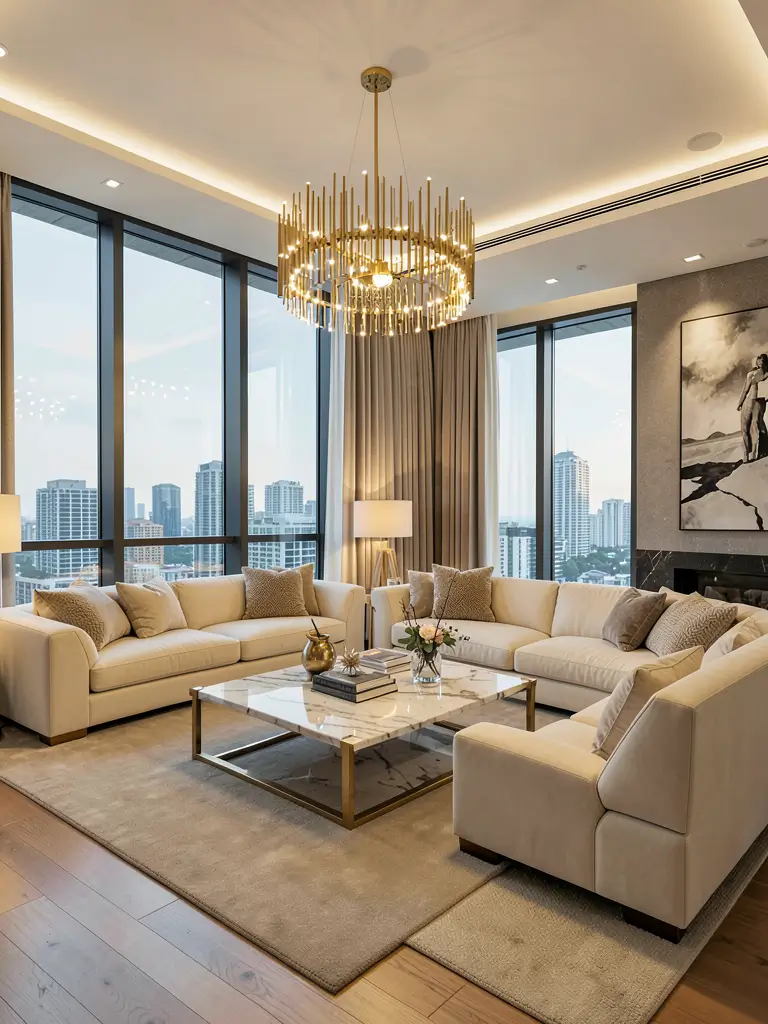
Luxury isn’t about filling your room with gold leaf and velvet everything. Real luxury lives in quality materials, balanced proportions, and intentional negative space. I learned this lesson when I tried to “luxury up” my living room by buying too many throw pillows and expensive-looking vases. It looked like a furniture store explosion, not a living space.
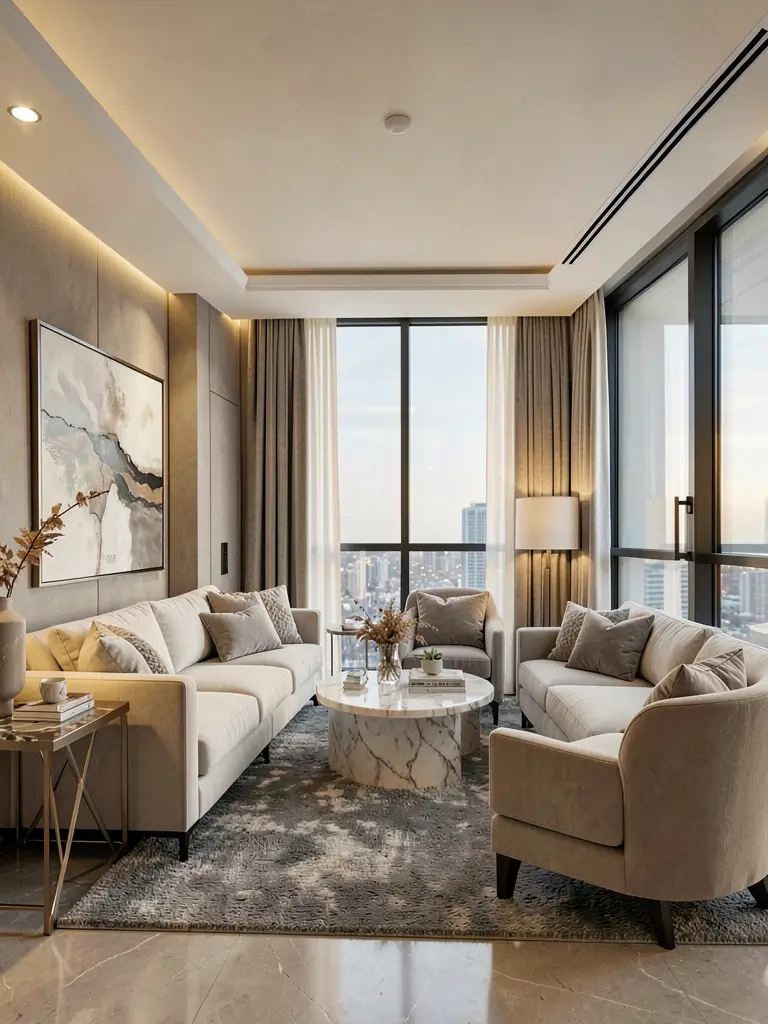
The key to a modern luxury living room involves choosing one or two statement pieces and letting them breathe. Think a massive linen sectional sofa paired with a marble coffee table and nothing else on the walls except a single oversized piece of abstract art. The room feels expensive because every element has room to shine.
Luxury living room essentials:
- Oversized furniture that commands attention without crowding the room.
- Natural stone or high-quality quartz surfaces for coffee and side tables.
- Layered lighting including floor lamps, table lamps, and recessed ceiling lights.
- Neutral base colors like ivory, taupe, or soft gray with metallic accents.
Ever noticed how the fanciest hotels feel spacious even when they’re packed with furniture? That’s because they use scale and proportion masterfully. A massive sofa feels luxurious, while five small, cheap chairs feel chaotic. Go big or go home—literally.
2. Small Home Interior Design Ideas
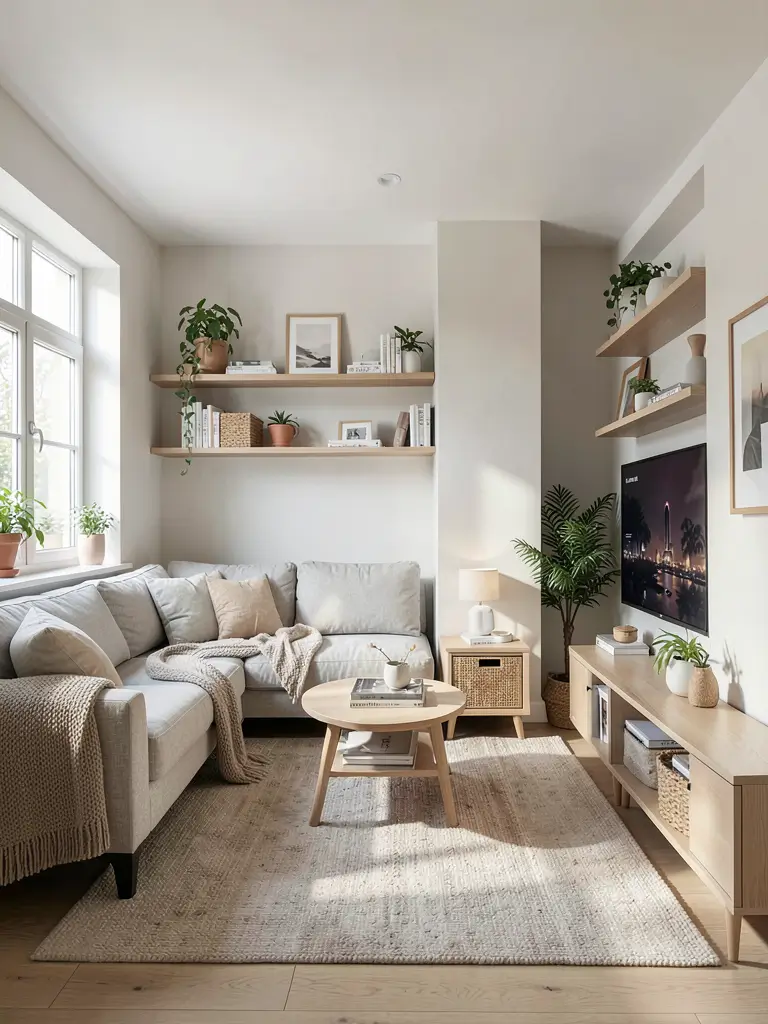
Small homes force creativity, and honestly, some of the most beautiful interiors I’ve ever seen exist in compact spaces. The trick involves choosing furniture that serves multiple purposes and keeping your color palette tight so the room doesn’t feel cluttered.
I helped a friend redesign her 500-square-foot apartment last year. We ditched the oversized couch for a sleek loveseat, replaced the clunky coffee table with a storage ottoman, and mounted the TV on the wall. Suddenly her “shoebox” felt like a boutique hotel suite. The transformation proved that smart choices beat square footage every time.
Small space design rules:
- Float your furniture away from walls to create the illusion of more space.
- Use mirrors strategically to reflect light and double visual depth.
- Choose leggy furniture (sofas and chairs with visible legs) to keep sightlines open.
- Stick to a monochromatic color palette with one accent color maximum.
Small homes actually benefit from modern interior design because the style emphasizes clean lines and minimalism. You don’t need a mansion to achieve a sophisticated look—just the discipline to edit what you keep.
3. Cozy Neutral Home Décor Inspiration
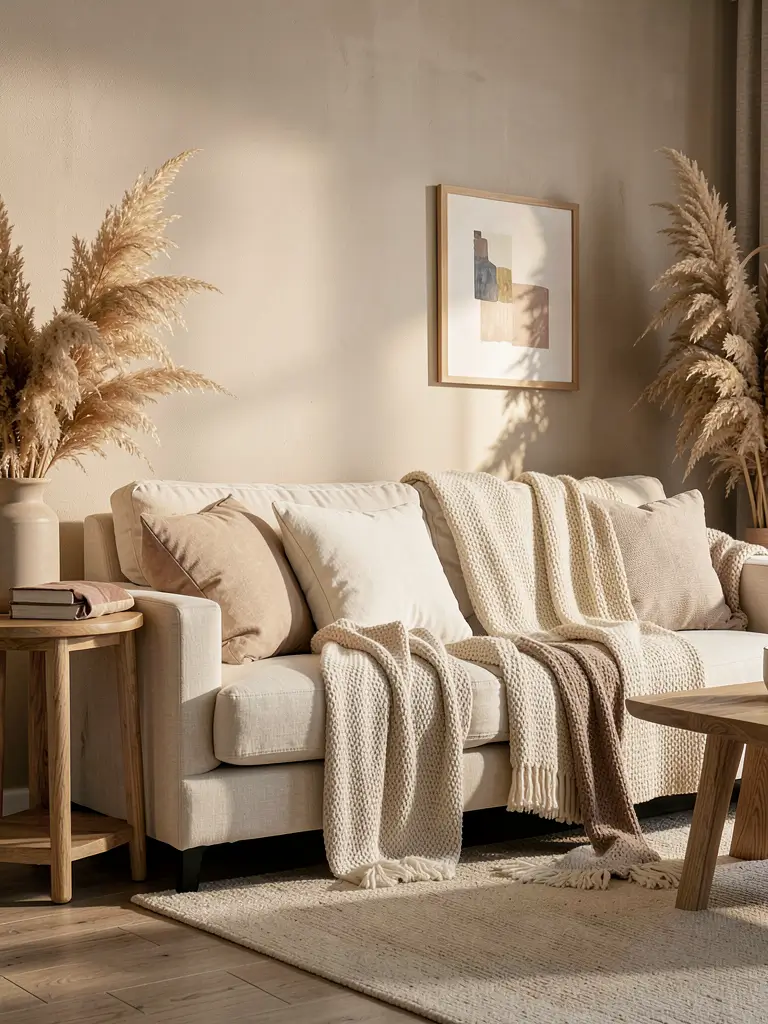
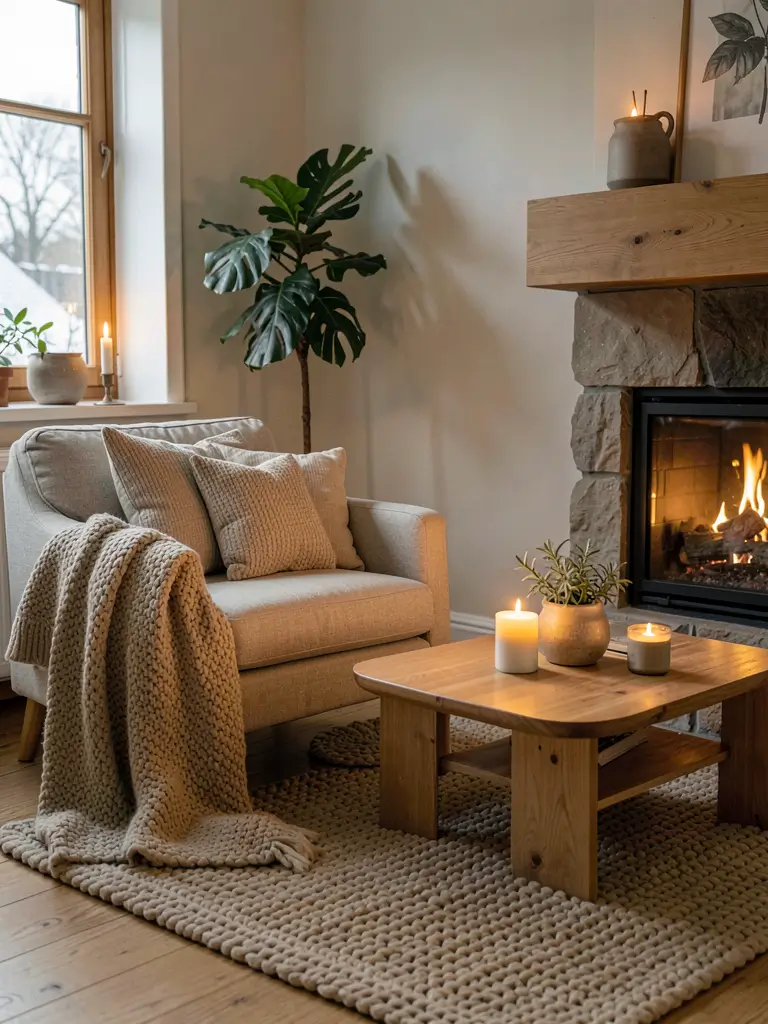
Neutral doesn’t mean boring. IMO, neutral interiors create some of the most calming, sophisticated spaces when you layer textures properly. The secret involves combining different materials like linen, wool, wood, and stone within the same color family.
I redesigned my bedroom using entirely neutral tones—cream walls, a beige upholstered headboard, white linen bedding, and a jute rug. By itself, each element sounded unremarkable. But together, the room felt like a five-star hotel suite. The variety of textures created depth that color alone can’t achieve.
How to build a cozy neutral palette:
- Layer different whites and creams instead of using one flat shade.
- Add natural wood elements through furniture, frames, or cutting boards.
- Incorporate soft textiles like chunky knit throws and linen curtains.
- Use metallic accents in brass or gold to add warmth.
Rhetorical question: why do people assume neutral equals “boring”? The most expensive interior designs in the world often use neutral palettes because they create timeless elegance that never feels forced.
4. Scandinavian Style Home Interiors
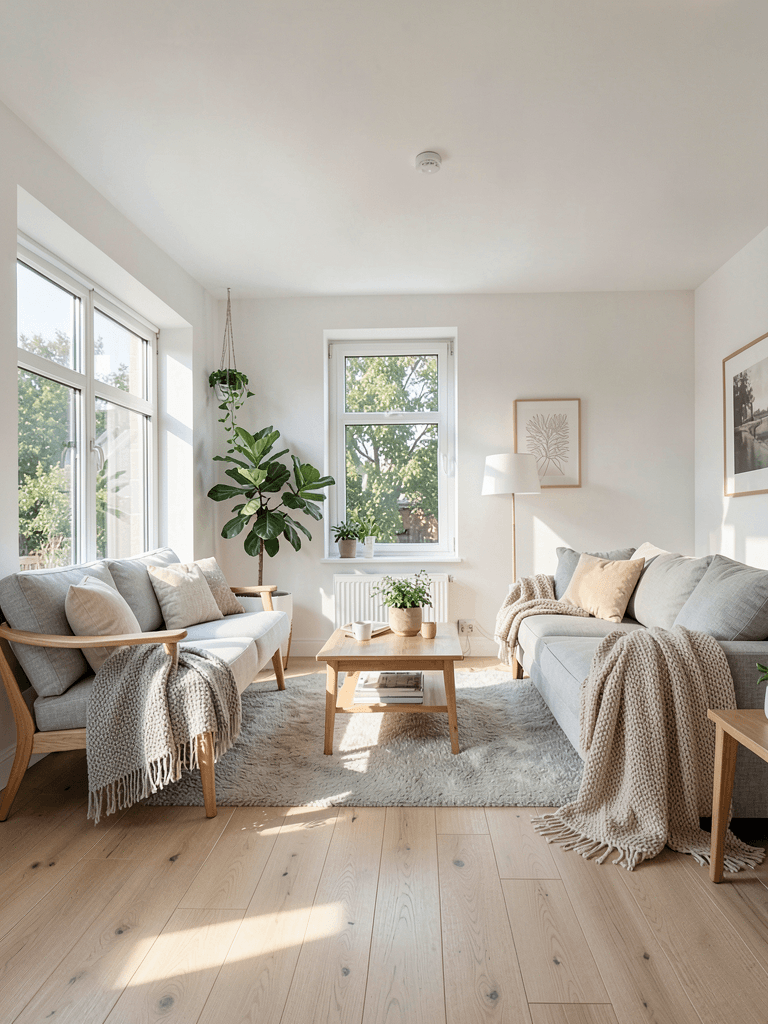
Scandinavian design masters the art of functional beauty. These interiors feel bright, clean, and incredibly livable. The Nordic approach prioritizes natural light, simple forms, and materials that age gracefully. If you love minimalism but worry about it feeling cold, Scandi style solves that problem perfectly.
I visited a friend’s Scandinavian-inspired home last winter, and the warmth surprised me. She used light oak floors, white walls, a simple gray sofa, and tons of cozy textiles—sheepskin throws, knitted pillows, wool blankets. The space felt minimal but never sterile. It felt like a warm hug dressed in a tailored suit.
Scandinavian essentials:
- Light wood floors in birch, ash, or white oak.
- White or very light gray walls to maximize natural light.
- Simple, functional furniture with clean lines and organic shapes.
- Green plants as the primary “decoration.”
Scandinavian homes prove that less really can be more. When every piece earns its place through function and beauty, your space feels intentional rather than accidental.
5. Budget-Friendly Home Makeover Ideas
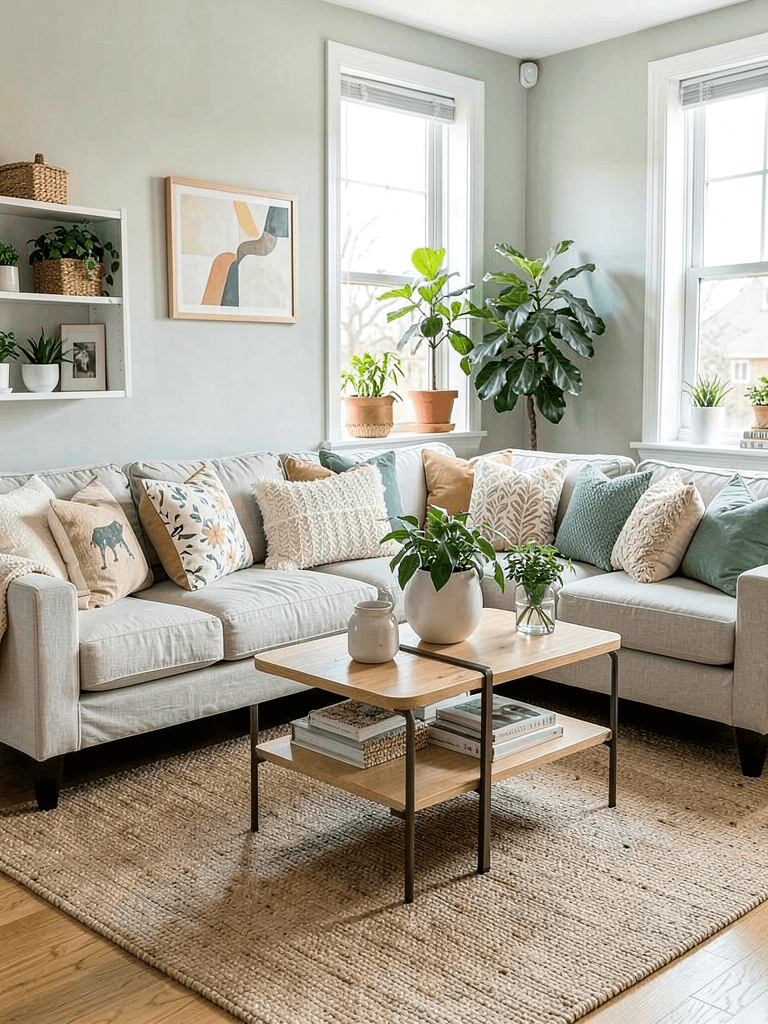
Let me burst your bubble: you don’t need thousands of dollars to transform your home. Some of the most dramatic makeovers happen through paint, rearranging, and smart shopping. I once completely changed the feel of my living room for about $200 using nothing but paint, new throw pillows, and a secondhand rug from Facebook Marketplace.
Paint alone creates a 90% transformation in most rooms. A fresh coat of the right color on your walls costs under $50 per room and takes one afternoon. Add some new hardware to your cabinets, swap out old light switch plates, and suddenly your home looks ten years newer.
Budget makeover wins:
- Paint an accent wall in a bold, moody color like navy or forest green.
- Rearrange existing furniture instead of buying new pieces.
- Shop secondhand for unique finds at thrift stores and estate sales.
- Update hardware on doors, cabinets, and furniture for instant polish.
FYI, the biggest budget killer in home design isn’t materials—it’s indecision. Pick a direction, commit to it, and execute. A done room beats a “perfect” room you never actually finish.
6. Elegant Open Concept Living Spaces
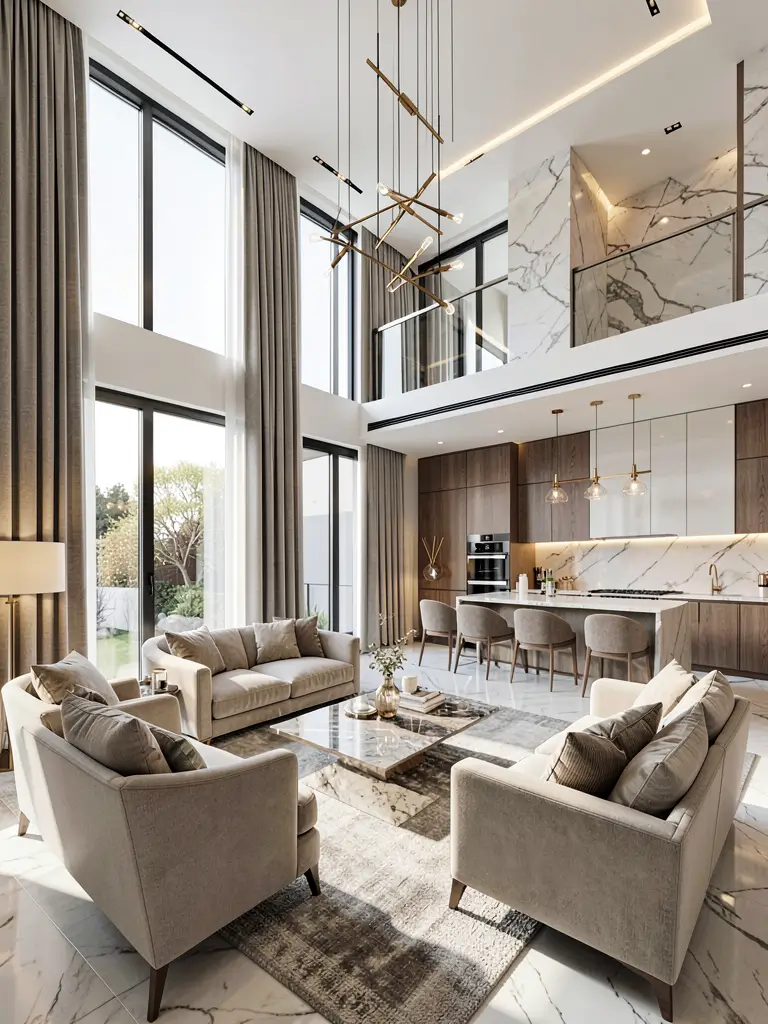
Open concept living creates that flowing, spacious feel that modern families crave. But here’s the challenge: how do you define different “zones” without walls? The answer lies in strategic furniture placement, area rugs, and lighting.
I designed an open concept space where the kitchen, dining, and living areas all shared one massive room. We used a large area rug under the living room furniture to visually separate it from the dining zone. Pendant lights over the dining table marked that area, while a different pendant over the kitchen island defined the third zone. It felt cohesive but organized.
Open concept design strategies:
- Use area rugs to anchor furniture groupings and define zones.
- Maintain consistent color palette throughout all areas for visual flow.
- Apply different lighting fixtures for each functional zone.
- Choose complementary furniture styles rather than matching sets.
Open concept spaces reward intentional design. When done well, the room feels expansive and connected. When done poorly, it feels like a chaotic furniture warehouse.
7. Minimalist Home Interior Design Trends
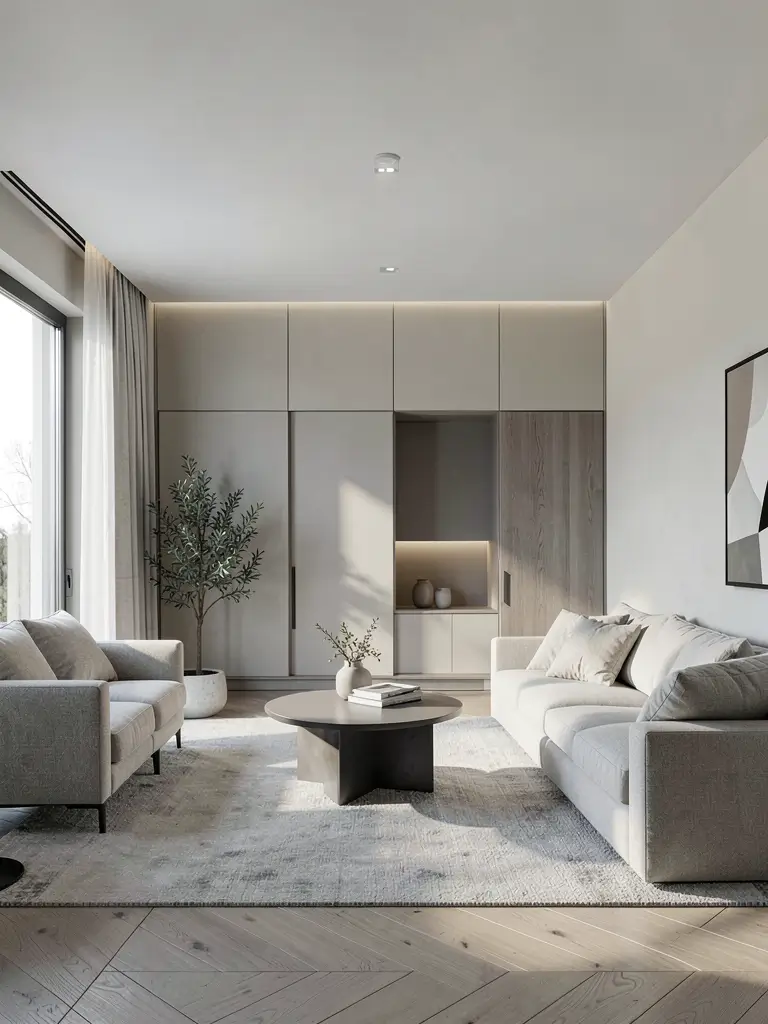
Minimalism isn’t about living in an empty white box with a single chair and a cactus. Modern minimalism focuses on quality over quantity, choosing fewer but better pieces that serve real purposes. It creates calm, uncluttered spaces where every element earns its place.
I shifted toward minimalism three years ago after realizing my home contained way too much stuff I never used. The transformation felt liberating. Suddenly I could actually see my beautiful hardwood floors, appreciate the natural light in my windows, and find things without digging through mountains of clutter.
Minimalist principles to follow:
- One in, one out rule for every new item you bring home.
- Hidden storage to keep surfaces clear and visual noise low.
- Neutral color palette with strategic pops of texture.
- Quality materials over trendy, disposable decor.
Minimalism requires discipline, but the payoff—a home that feels calm, clean, and purposeful—makes the effort worthwhile. Your space should serve you, not stress you out.
8. Warm Earth Tone Interior Ideas
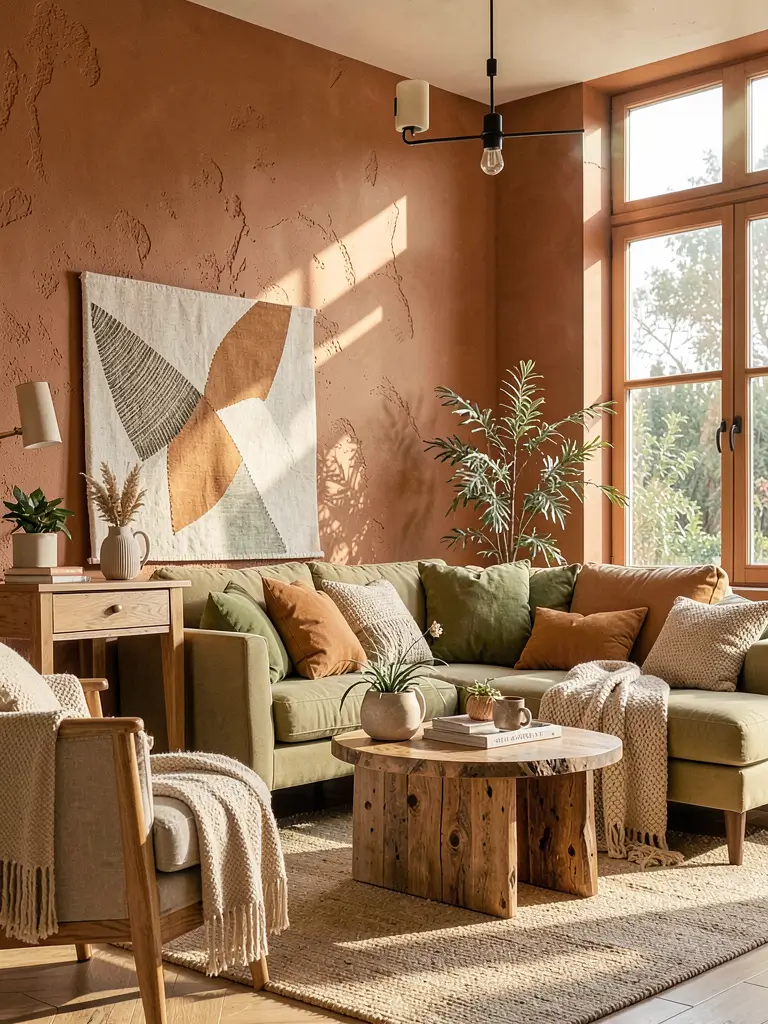
Earth tones bring organic warmth and natural beauty into modern homes. Think terracotta, olive green, warm browns, sandy beiges, and muted rust. These colors reference nature, creating spaces that feel grounded and inviting.
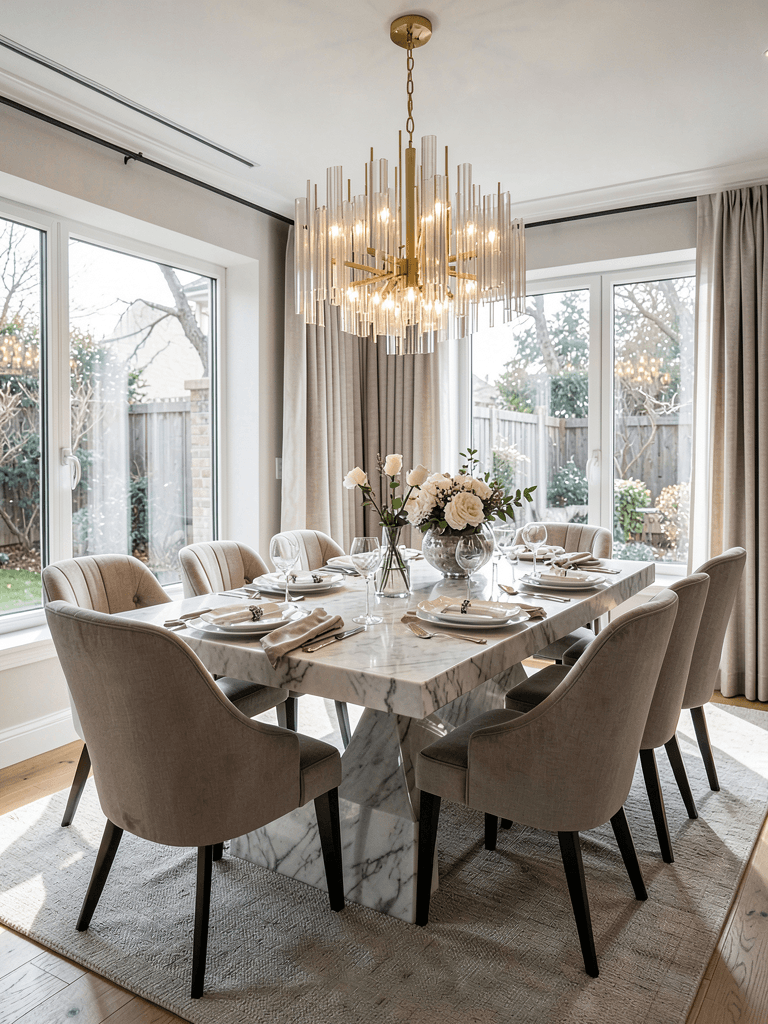
I painted my dining room a warm terracotta color last year, and the transformation shocked me. The room went from forgettable to the most talked-about space in my home. People always comment on how “cozy” and “welcoming” it feels. Earth tones create that effect naturally because they connect to our instinctive love for natural environments.
Earth tone pairing ideas:
- Terracotta walls with cream furniture and olive green accents.
- Warm brown leather sofas against soft sage green walls.
- Sandy beige foundations with rust and copper metallic touches.
- Olive green cabinetry paired with walnut wood and cream stone.
Ever wondered why earth tones feel so comforting? Our brains evolved surrounded by these colors. They trigger a primal sense of safety and warmth that synthetic colors simply can’t replicate.
9. Smart Storage Solutions for Stylish Homes
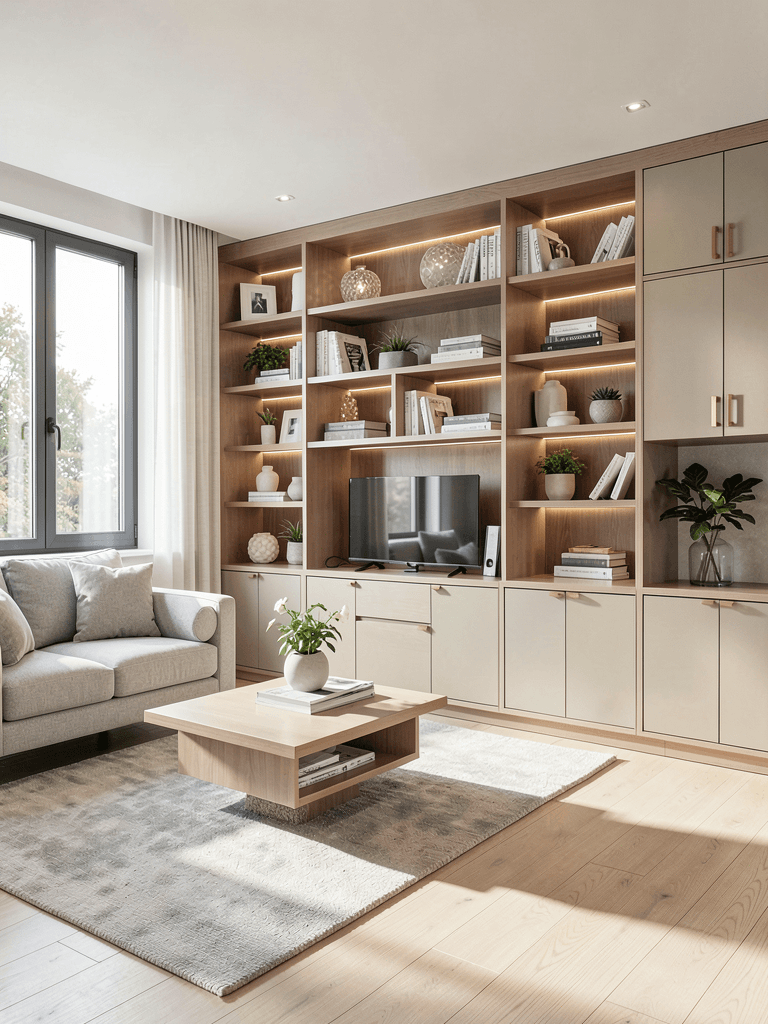
Beautiful homes stay beautiful when everything has a proper home. Smart storage doesn’t just organize your stuff—it creates visual calm that makes your interiors feel more designed and intentional. Messy surfaces kill even the best design efforts.
I helped a client install custom closet systems in every room, and the difference was staggering. Suddenly she stopped leaving clothes on the bedroom floor because there was a dedicated spot for everything. The same principle applies to living rooms, kitchens, and bathrooms—when storage works well, the room looks better automatically.
Storage solutions that actually work:
- Built-in bookcases flanking a fireplace or TV create architectural interest.
- Ottomans with hidden storage serve double duty in living rooms.
- Floating shelves provide display space without taking floor space.
- Basket systems in closets and under beds keep clutter invisible.
The best storage solutions disappear completely. Nobody should notice your organizational system—they should just notice how clean and calm your home feels.
10. High-End Home Designs on a Budget
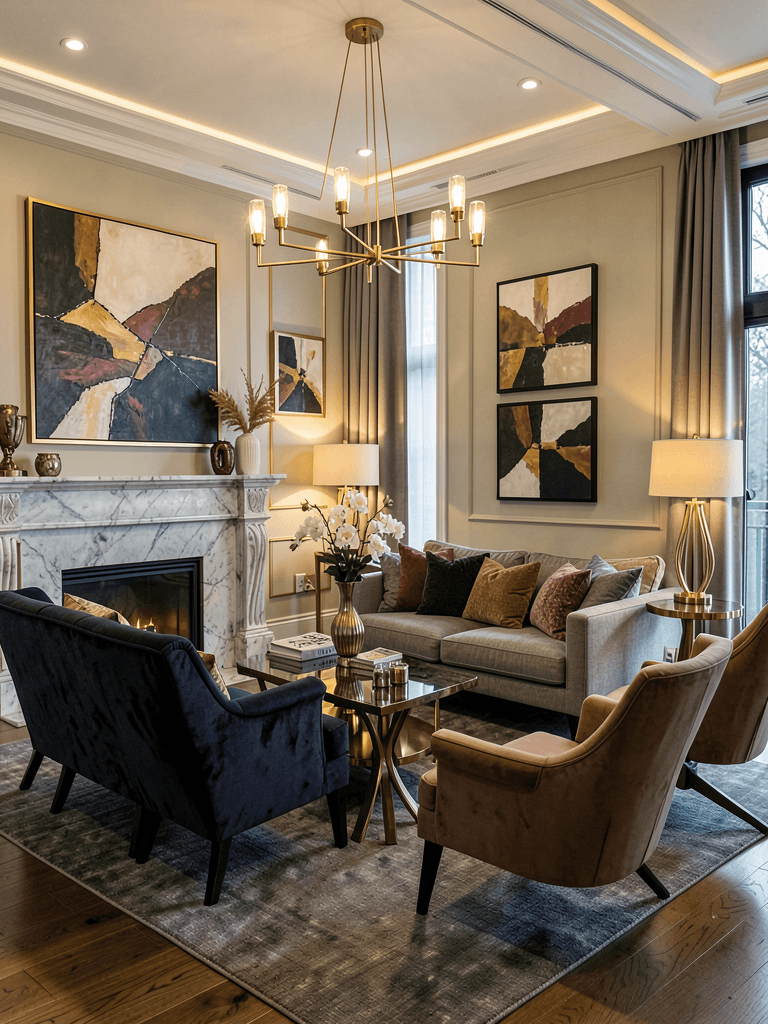
Creating a high-end look doesn’t require high-end prices. It requires smart material choices, attention to detail, and strategic splurges. I’ve designed rooms that looked like a million bucks for a fraction of the cost by choosing where to invest and where to save.
The golden rule involves spending money on things you touch daily—sofas, chairs, mattresses, faucets—while saving on things you only see. A cheap throw pillow with the right texture looks just as good as an expensive one. But a cheap sofa with scratchy fabric will torture you for years.
Budget luxury strategies:
- Spend on seating and save on decorative accessories.
- DIY paint jobs instead of wallpapering or tiling entire rooms.
- Use peel-and-stick tiles for temporary backsplash updates.
- Buy one statement piece and build the rest of the room around it.
IMO, the difference between expensive and “looks expensive” often comes down to editing. Remove the clutter, add intentional texture, and choose a cohesive color palette. Those three moves instantly elevate any room.
11. Contemporary Bedroom Interior Inspiration
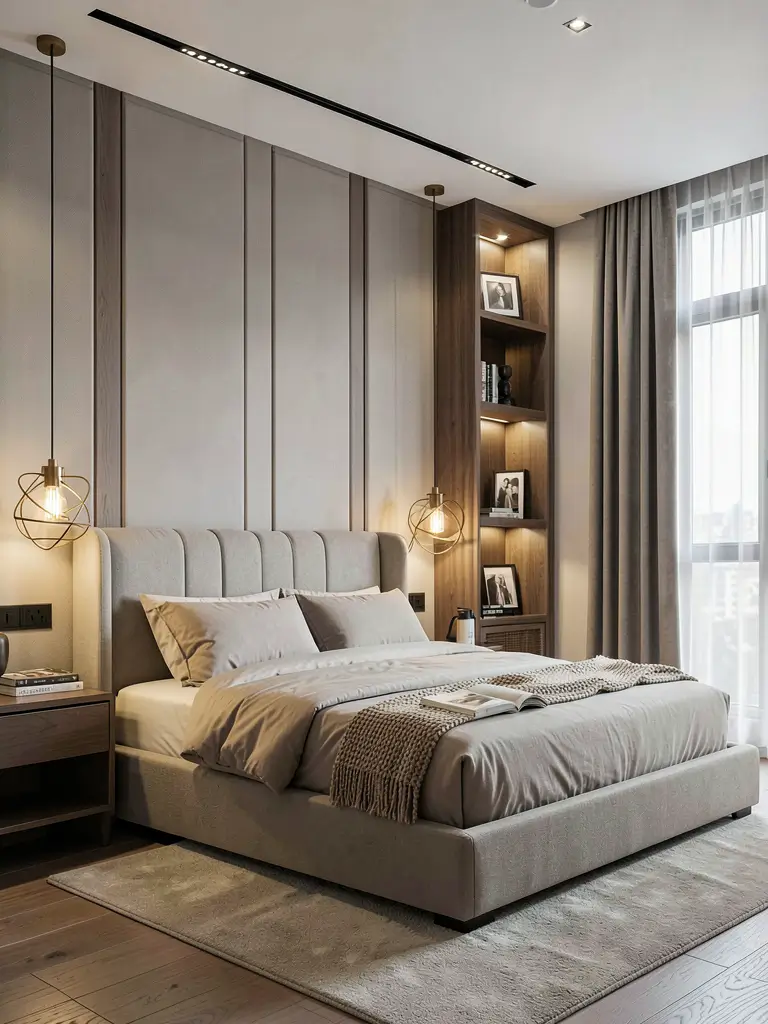
Your bedroom should feel like a sanctuary, not a storage unit for clean laundry and random electronics. Contemporary bedroom design focuses on creating a calm, beautiful space dedicated entirely to rest and relaxation.
I redesigned my bedroom by removing everything except the bed, two nightstands, and a dresser. The simplicity felt revolutionary. I added a statement headboard in a rich velvet fabric, layered neutral bedding in different textures, and installed a dimmer switch on the overhead light. The room went from chaotic to calming overnight.
Contemporary bedroom elements:
- Statement headboard in velvet, linen, or upholstered fabric.
- Layered bedding with multiple pillow sizes and a throw blanket.
- Symmetrical nightstand arrangements for visual balance.
- Dimmer switches on all light sources for mood control.
Why do we ignore our bedrooms? You spend roughly a third of your life in there. Invest in making it beautiful, comfortable, and clutter-free. Your sleep quality and morning mood will thank you.
12. Timeless Home Interior Design Concepts
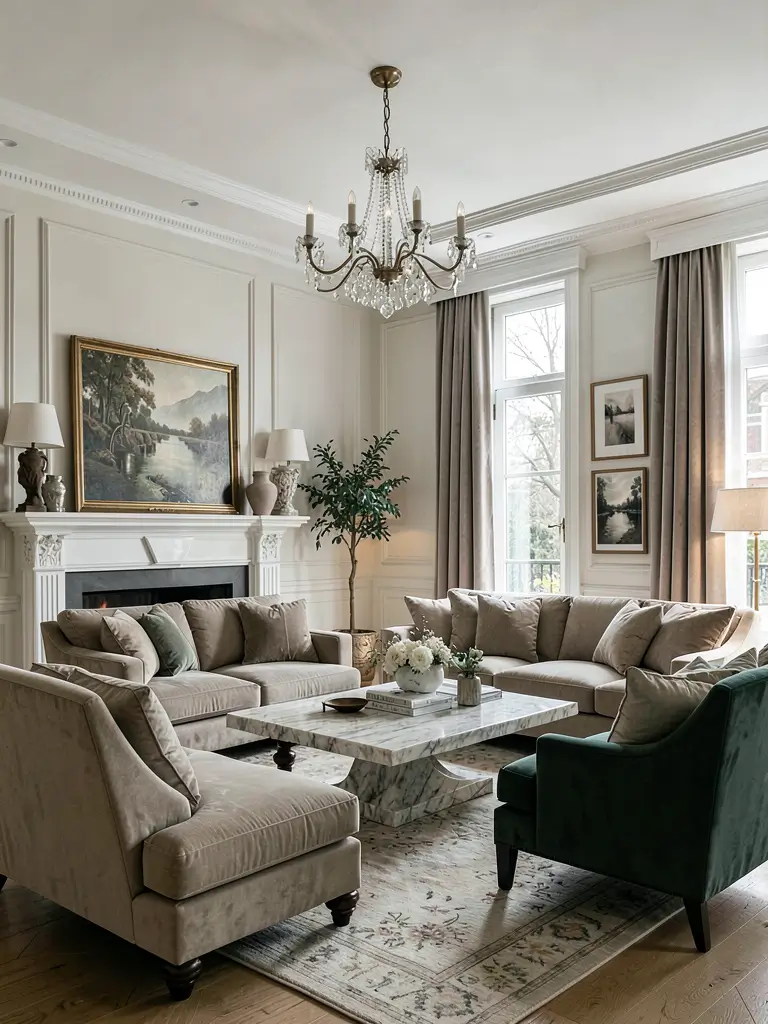
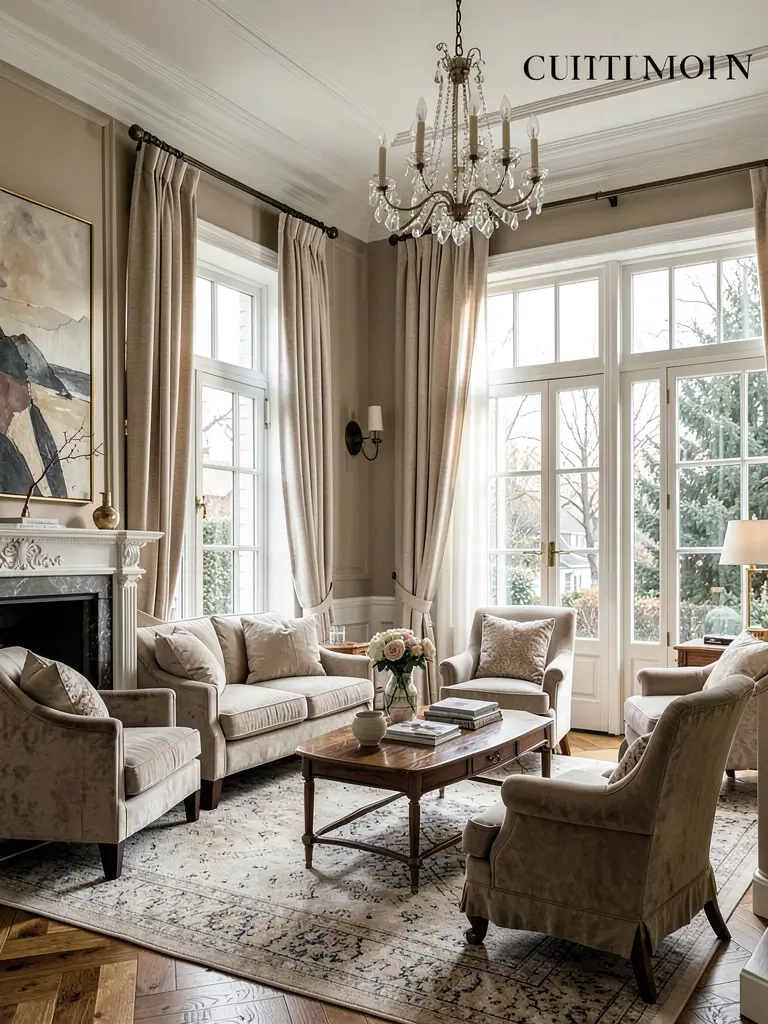
Trends come and go like seasons, but timeless design endures because it relies on proven principles and classic materials. Timeless interiors use natural materials, neutral foundations, and balanced proportions that look good regardless of what’s currently popular on Instagram.
I’ve watched countless “trendy” designs look dated within two years. Meanwhile, homes designed with timeless principles from ten years ago still look fresh and relevant. The lesson? Build your foundation on timeless elements and add personality through easily changeable accessories.
Timeless design foundations:
- Natural materials like wood, stone, leather, and linen.
- Neutral color palettes with strategic accent colors.
- Classic furniture silhouettes that transcend specific decades.
- Quality construction that lasts decades instead of years.
Timeless doesn’t mean boring. It means smart. It means investing in elements that grow more beautiful with age rather than chasing trends that fade fast.
13. Cozy Apartment Interior Design Ideas
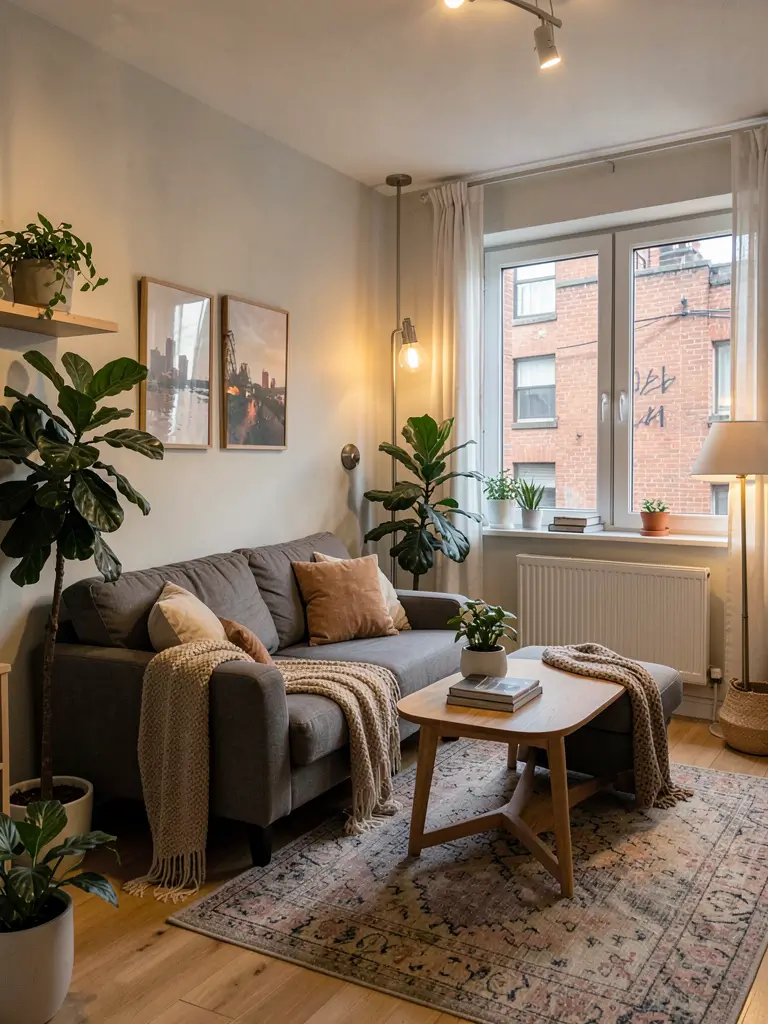
Apartment living presents unique challenges—limited space, rental restrictions, and layouts that often don’t make logical sense. But cozy apartment design proves that charm doesn’t require square footage. It requires intentional choices and creative problem-solving.
I lived in a 600-square-foot apartment for five years and made it feel like a legitimate home through strategic furniture choices, layered lighting, and warm textiles. The key involved treating every corner as an opportunity rather than an obstacle.
Apartment design tips:
- Use vertical storage to maximize wall space without eating floor space.
- Choose multipurpose furniture like dining tables that double as desks.
- Add warm lighting at multiple heights to create ambiance.
- Incorporate personal art and photos to make rental walls feel like yours.
Apartments teach you to be a better designer because they force you to prioritize what truly matters. You can’t fill every corner, so you choose pieces that earn their spot through function and beauty.
14. Statement Wall Ideas for Modern Homes
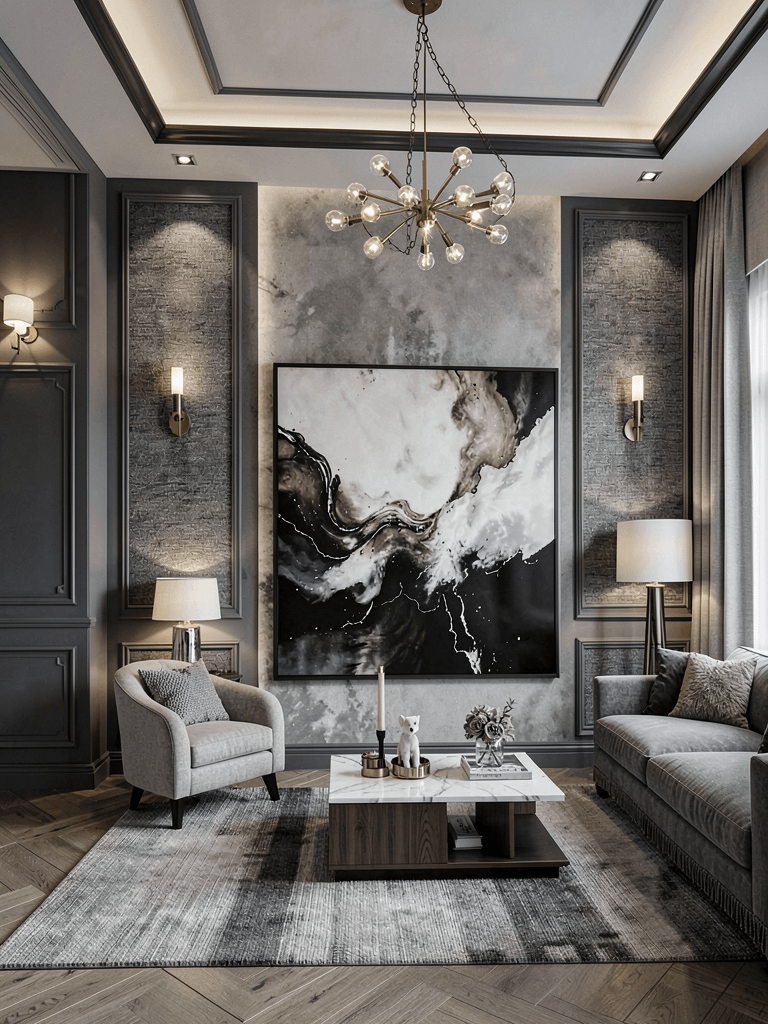
Every room deserves a focal point, and a statement wall creates instant impact without requiring a complete redesign. Whether you choose bold paint, textured wallpaper, wood paneling, or gallery art, one accent wall transforms how a room feels.
I installed a vertical wood slat wall behind my sofa last year, and it completely changed the energy of my living room. The natural texture added warmth and architectural interest that plain drywall never could. It became the first thing everyone comments on when they walk in.
Statement wall options:
- Bold paint colors like deep navy, forest green, or warm terracotta.
- Wood slat panels for organic, modern texture.
- Textured wallpaper in subtle patterns or grasscloth.
- Gallery walls of curated art and photographs.
- Brick veneer for industrial or rustic character.
Statement walls work because they give your eye a place to land. Instead of scanning a room with nothing interesting to focus on, you have one wall that anchors the entire space.
15. Bright and Airy Home Interior Styles
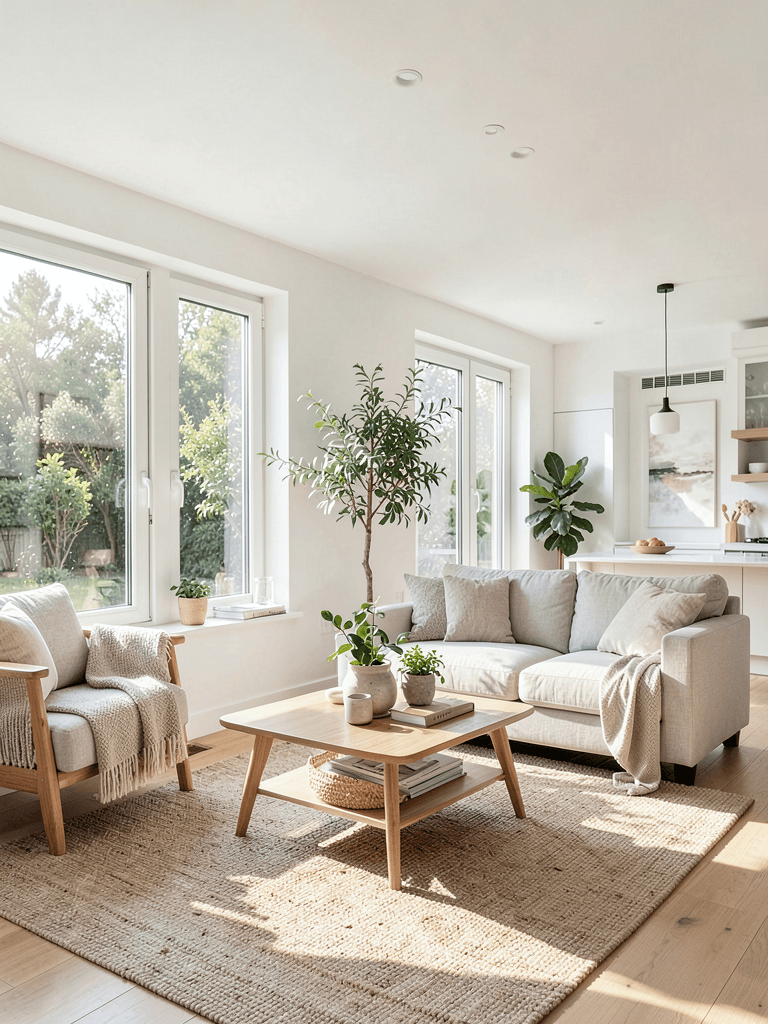
Bright and airy interiors maximize natural light, white surfaces, and open layouts to create spaces that feel fresh, clean, and energizing. This style works particularly well in homes with large windows and open floor plans.
I redesigned a client’s dark, dated living room by painting everything white, removing heavy curtains, swapping dark furniture for lighter pieces, and adding massive mirrors to reflect light. The transformation was so dramatic that she cried happy tears. The room felt twice as large and ten times happier.
Creating bright and airy spaces:
- Paint walls and ceilings white or very light cream.
- Maximize natural light with minimal or sheer window treatments.
- Use large mirrors to reflect light into darker corners.
- Choose light-colored furniture and flooring.
- Keep surfaces clear to maintain visual openness.
Rhetorical question: have you ever noticed how much better you feel in a bright, clean room compared to a dark, cluttered one? Light affects your mood more than you realize. Design your home to catch every available photon.
How to Start Your Interior Design Journey
Feeling overwhelmed by all these ideas? That’s normal. The best approach involves starting small and building gradually. You don’t need to redesign your entire home this weekend. Pick one room, one idea, and execute it well.
Choose Your Anchor Piece
Every great room starts with one strong element. Maybe it’s a statement sofa, a beautiful rug, or a piece of art you found at a flea market. Build your design around that anchor, and let it guide your choices for colors, textures, and accessories.
Edit Ruthlessly
Before you add anything new, remove what no longer serves you. Every room benefits from editing. Remove items that collect dust, don’t function, or simply don’t make you happy. Creating space for beauty starts with clearing space for purpose.
Test Before You Commit
Paint large samples on your walls before buying gallons of paint. Move furniture around before drilling holes. Test rugs in different lighting conditions. Small tests prevent expensive mistakes and help you feel confident in your choices.
Why Your Home Should Reflect You
The best interiors don’t follow rules blindly—they reflect the people who live in them. Your home should tell your story through the objects you display, the colors you choose, and the spaces you create for connection and rest.
Whether you prefer minimalist Scandinavian simplicity, warm earth tones, luxury materials, or budget-friendly creativity, the goal remains the same: create a space that makes you genuinely happy every time you walk through the door.
Don’t chase trends for trend’s sake. Don’t copy someone else’s Instagram exactly. Use these 15 amazing home interior design ideas as inspiration, then filter them through your own personality and lifestyle. That’s how you create a home that feels authentic, beautiful, and uniquely yours.
Quick Reference Guide to Modern Interior Design
Here’s a fast summary of key takeaways from each idea:
| Design Style | Key Element | Best For |
|---|---|---|
| Modern Luxury | Quality materials, minimal decoration | Living rooms, formal spaces |
| Small Space Design | Multifunctional furniture, mirrors | Apartments, tiny homes |
| Cozy Neutral | Layered textures in warm tones | Bedrooms, reading nooks |
| Scandinavian | Light wood, white walls, green plants | Any room |
| Budget Makeover | Paint, rearrange, secondhand finds | Entire home |
| Open Concept | Zone-defining rugs and lighting | Family rooms, main floors |
| Minimalist | Fewer items, better quality | Any room |
| Earth Tones | Terracotta, olive, warm browns | Dining rooms, living rooms |
| Smart Storage | Hidden solutions, organized systems | Closets, kitchens, bathrooms |
| Timeless Design | Classic materials and proportions | Entire home |
Conclusion: Your Home, Your Rules
At the end of the day, home interior design should serve one purpose: making your life better. A beautiful home isn’t just about aesthetics—it’s about creating a space that supports your daily routines, reflects your personality, and brings you genuine joy.
Whether you start with a fresh coat of paint this weekend or begin planning a major renovation, remember that progress beats perfection every time. Don’t wait for the “perfect time” or the “perfect budget.” Start where you are, use what you have, and create something you love.
Your home tells the world who you are before you even speak. Make sure it tells a story worth reading. Now stop scrolling and start designing—your dream home is waiting, and honestly, so is that paint roller you bought six months ago. 🙂