
15 Modern Office Interior Design Ideas for Workplace Transformation
Your office space is either working for you or silently working against you — and most people don’t realize which one it is until productivity tanks and Monday mornings become genuinely painful. The physical environment where you work shapes how you think, how you collaborate, and honestly, how much you actually enjoy showing up each day.
I’ve worked in some truly soul-crushing office spaces over the years — fluorescent lighting, zero natural light, furniture that seemed specifically designed to cause back pain — and I’ve also experienced beautifully designed workspaces that made me want to arrive early and stay late. The difference was dramatic, and it had everything to do with intentional design.
Whether you’re redesigning a corporate headquarters, refreshing a small office, or finally sorting out your home office setup, these 15 modern office interior design ideas will give you the inspiration and practical direction to make a real transformation happen.
1. Modern Office Interior Design Ideas for a Productive Workspace
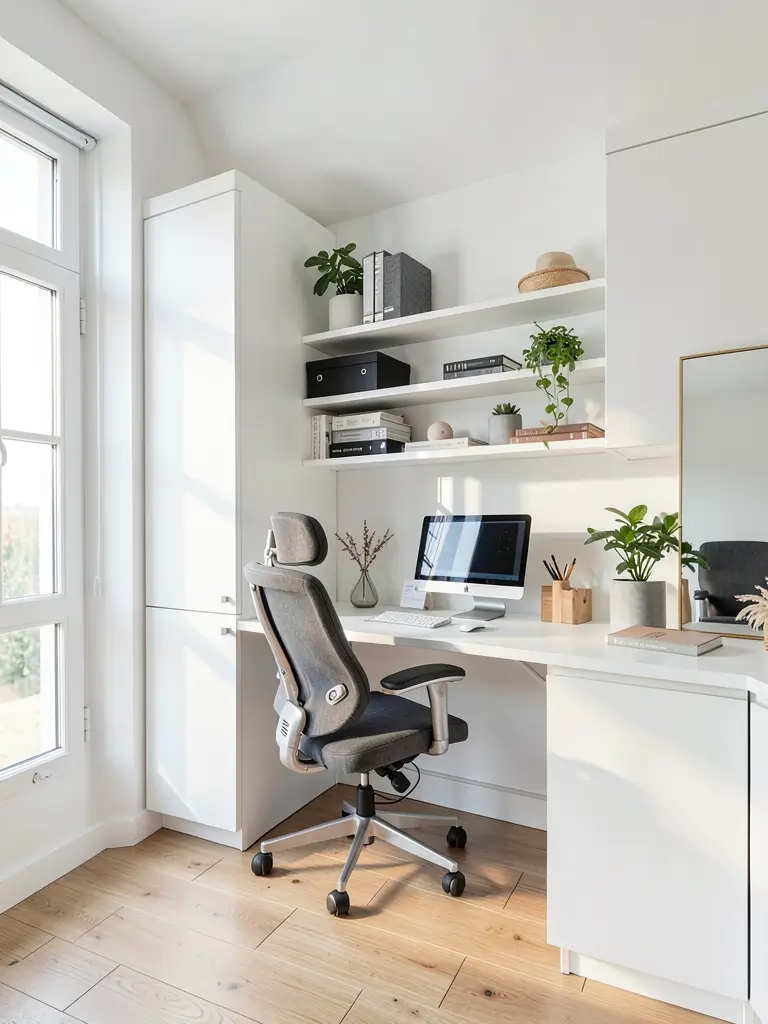
Productivity doesn’t happen by accident, and your office design either supports it or undermines it. The most productive workspaces share a handful of deliberate design characteristics — and none of them involve motivational posters, for what it’s worth.
Design for Focus First
A genuinely productive office prioritizes the ability to concentrate. That means managing noise, visual distractions, and ergonomic comfort as core design priorities — not afterthoughts.
Key elements of a productivity-focused office design:
- Ergonomic seating with proper lumbar support and adjustable height — your spine will thank you
- Sit-stand desks that allow posture changes throughout the day, which research consistently links to better focus and energy
- Acoustic management through wall panels, ceiling baffles, or soft furnishings that absorb sound rather than bounce it
- Dedicated zones for focused work, collaboration, and breaks — each space designed for its specific purpose
- Clutter-free desk surfaces with integrated cable management to reduce visual noise
The Layout Matters More Than You Think
How you arrange your office furniture determines how energy and attention flow through the space. Position desks to face away from high-traffic areas when focus work is the priority. Keep collaborative spaces physically separated from quiet zones. A well-considered layout prevents the constant interruptions that fragment deep work.
2. Small Office Interior Design Solutions That Maximize Space
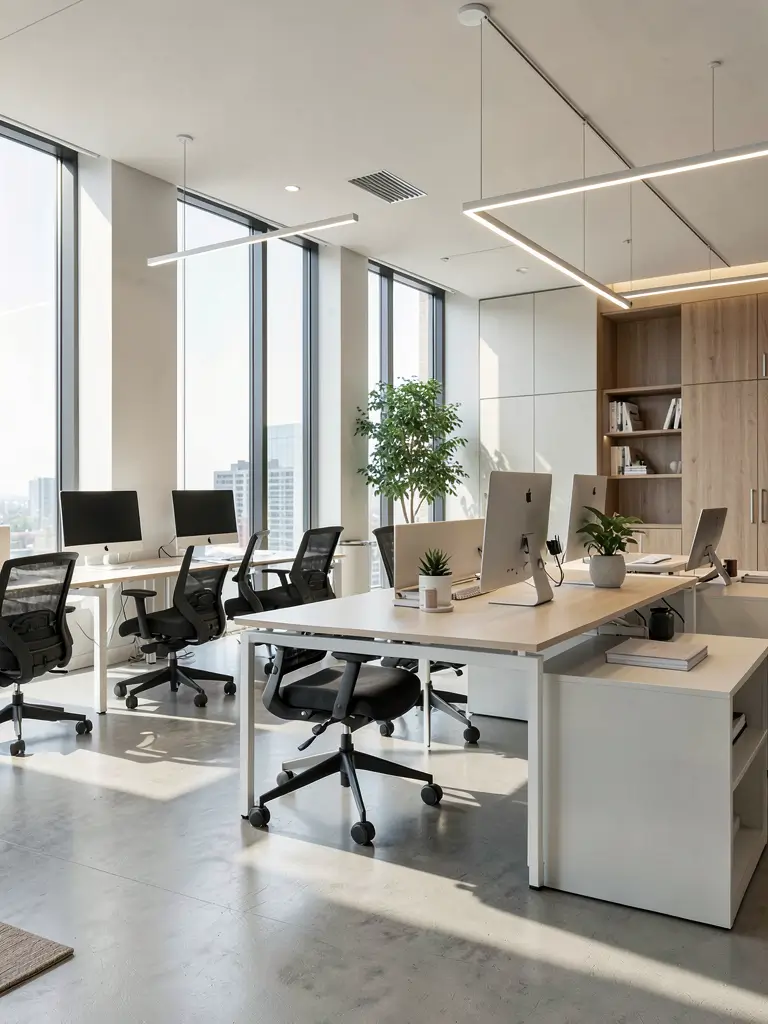
Small offices carry a big reputation problem. People assume limited square footage means limited capability — but some of the most efficient, beautiful workspaces I’ve ever encountered were genuinely compact. Small offices just require smarter decisions at every turn.
Go Vertical With Storage and Display
When floor space runs out, the walls become your most valuable asset. Floor-to-ceiling shelving, wall-mounted monitors, and vertical filing systems all free up desk and floor space dramatically while keeping everything accessible.
Smart space-maximizing strategies for small offices:
- Wall-mounted desks that fold away when not in use — brilliant for multi-purpose spaces
- Under-desk storage pedestals on wheels for flexible organization
- Glass partitions instead of solid walls to maintain boundaries without blocking sightlines or light
- Mirrored surfaces on cabinet doors or feature walls to visually expand the space
- Multi-functional furniture — storage ottomans, desk-bookcase combinations, and benches with built-in drawers
Keep the Visual Field Clean
Small offices feel significantly more spacious when the visual field stays uncluttered. Choose furniture in light colors or natural wood tones, keep surfaces as clear as possible, and be ruthless about what earns a place in the room. Every unnecessary item in a small office competes for visual attention and makes the space feel tighter than it actually is.
3. Luxury Office Interior Design Concepts for Executive Spaces
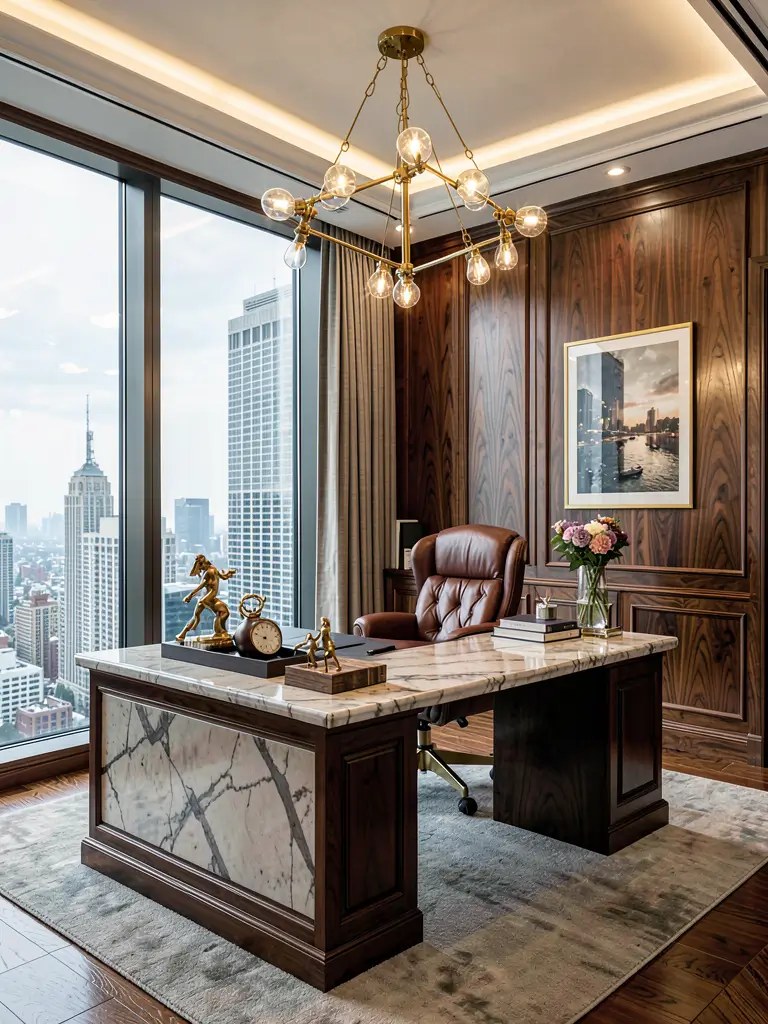
An executive office communicates authority, taste, and capability before a single word gets spoken. Luxury office design isn’t about ostentation — it’s about creating a space that signals genuine quality and inspires confidence in everyone who enters it.
Materials and Finishes Define Luxury
The most distinguishing element between a standard office and a luxury one is almost always the quality of materials. Premium offices consistently feature:
- Rich hardwood desks and cabinetry — walnut, mahogany, and dark oak communicate substance and permanence
- Leather seating in deep, sophisticated tones — cognac, charcoal, or classic black
- Stone or marble surface accents on credenzas, coffee tables, or feature walls
- Brass, bronze, or matte black hardware on cabinetry and fixtures
- Custom millwork — built-in shelving and cabinetry designed specifically for the space
Create Zones Within the Executive Office
The best executive offices function as multiple spaces in one. A working zone, a meeting area, and a casual reception space each serve different purposes and send different signals. A well-placed sofa and coffee table arrangement signals approachability; the commanding desk signals authority. Together, they create a flexible, impressive environment.
4. Minimalist Office Interior Design Ideas for a Clutter-Free Environment
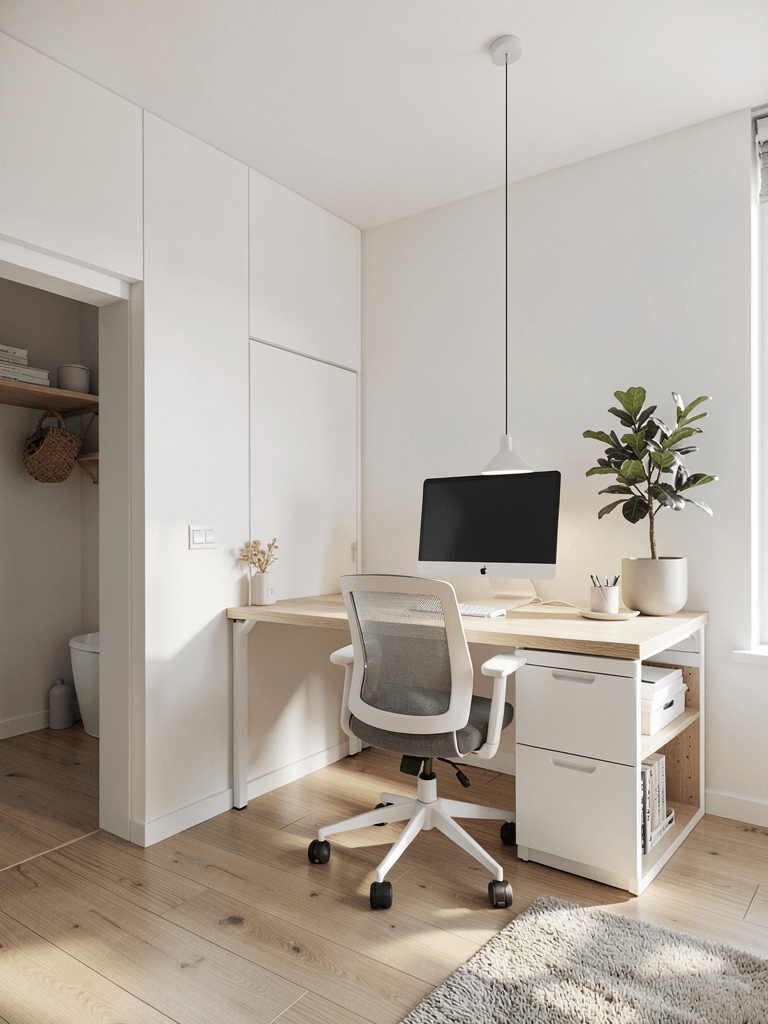
Clutter is the enemy of clear thinking. When your physical environment feels chaotic, your mental environment tends to follow suit. Minimalist office design solves this at the source by removing everything that doesn’t actively contribute to focus, function, or genuine beauty.
The Minimalist Office Framework
Building a minimalist office means applying a consistent editing standard to every decision:
- Every piece of furniture serves a clear purpose — decorative-only items earn their place only if they genuinely enhance focus or wellbeing
- A two or three-tone color palette — typically white or light gray as the base with one warm accent
- Integrated storage that hides cables, files, and equipment behind clean-faced cabinetry
- A single statement piece — usually the desk — that anchors the entire room
- Deliberate negative space — empty wall sections and clear surfaces are design choices, not oversights
Minimalism Improves Cognitive Performance
Here’s something worth considering: research in environmental psychology consistently shows that cluttered environments increase cortisol levels and reduce cognitive performance. A minimalist office isn’t just aesthetically pleasing — it actively supports better thinking, faster decision-making, and lower stress levels. IMO, that alone makes it worth pursuing.
5. Creative Open-Plan Office Interior Design Layouts
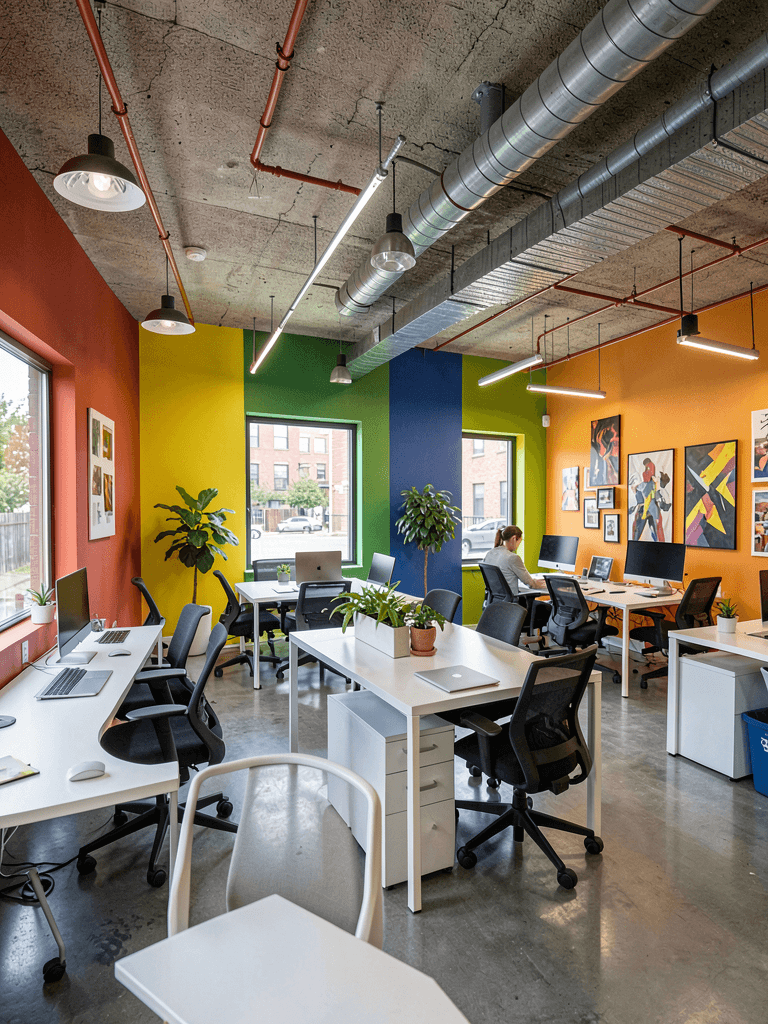
Open-plan offices get criticized a lot — and sometimes fairly, because a poorly designed open plan can be genuinely terrible for focus and morale. But a well-designed open-plan office? That’s a different story entirely. Done right, it fosters collaboration, energy, and a sense of shared purpose that closed offices simply can’t replicate.
Zone Your Open Plan Intelligently
The secret to a successful open-plan office is designing distinct zones within the open space rather than treating it as one undifferentiated area. Each zone should have a clear purpose and be designed accordingly.
Effective open-plan office zones:
- Focused work stations — individual desks with acoustic privacy panels or screens
- Collaborative project tables — larger surfaces for team work, positioned in naturally high-energy areas near windows
- Informal meeting zones — sofas, lounge chairs, and low tables for quick conversations that don’t need a formal meeting room
- Phone booths or quiet pods — enclosed booths for calls, video meetings, or concentrated individual work
- Social and break areas — a well-designed kitchen and lounge space that genuinely invites people to recharge
Acoustics Make or Break Open Plans
The number one complaint about open-plan offices is noise. Acoustic design is non-negotiable in any open office worth working in. Ceiling baffles, acoustic wall panels, carpet over hard flooring, upholstered furniture, and strategic planting all reduce sound transmission and prevent the sonic chaos that makes many open plans unbearable.
6. Smart Office Storage Ideas for Organized Workspaces
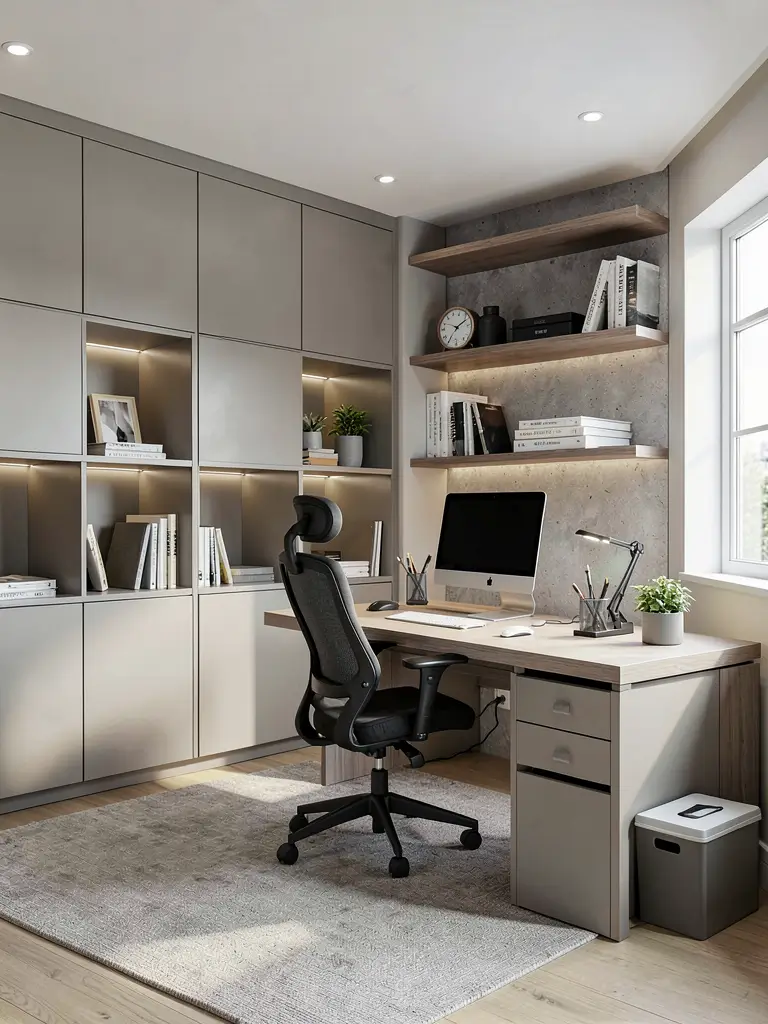
Disorganized storage creates disorganized work. When files pile up on desks, equipment lives on the floor, and nobody can find anything without a small expedition, the entire office loses efficiency and professional appearance. Smart storage design fixes this systematically.
Built-In Versus Freestanding Storage
Built-in storage almost always delivers better results than freestanding alternatives in office environments. It uses space more efficiently, looks more considered, and creates a tailored quality that lifts the entire room’s aesthetic.
Office storage solutions that genuinely work:
- Floor-to-ceiling built-in cabinetry with a mix of open shelving and closed-door storage
- Mobile pedestals under each desk for personal item storage that moves with the user
- Centralized filing systems in a dedicated storage room or alcove rather than scattered across the floor
- Cable management channels built into desks and walls to eliminate the inevitable cable avalanche
- Digital-first filing that reduces physical paper storage needs significantly — every sheet you don’t print is one you don’t need to store
Organize Visibly, Store Invisibly
The best office storage philosophy is straightforward: keep working tools visible and accessible, hide everything else. Reference books, current project files, and regularly used equipment can live on open shelves. Archives, spare supplies, and anything not used daily belongs behind closed doors.
7. Industrial Office Interior Design Trends with Modern Appeal
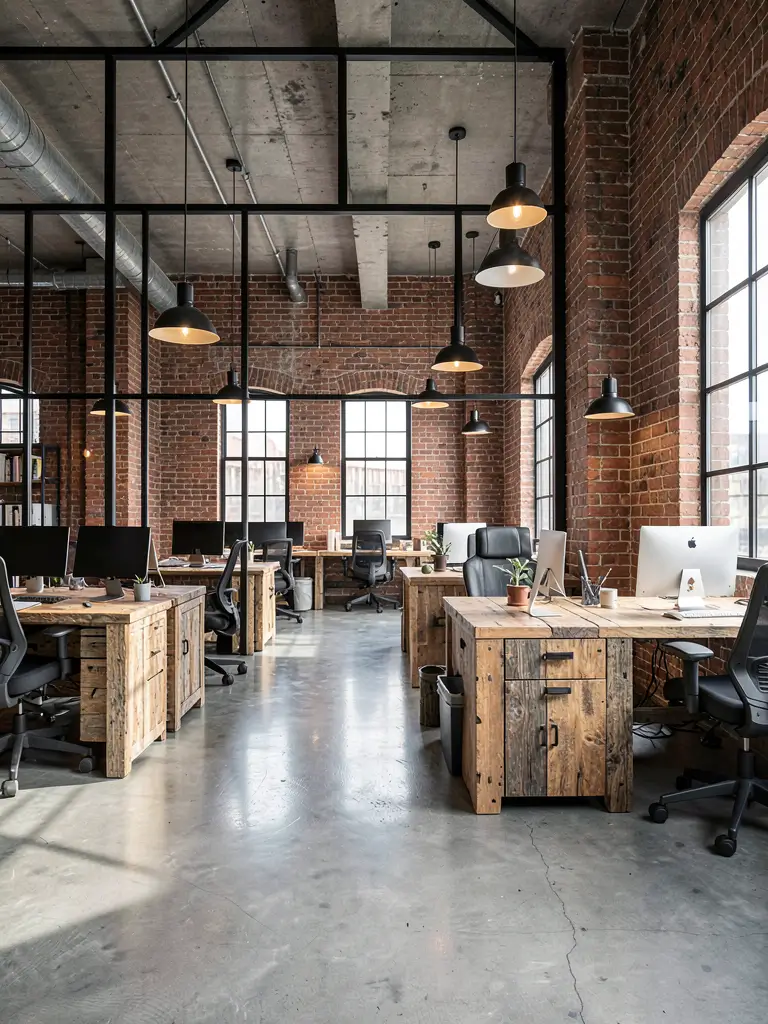
Industrial design in office spaces hit the mainstream years ago, and it’s still going strong — because it solves a real problem. Industrial aesthetics bring character, texture, and urban energy to spaces that might otherwise feel generic or bland. And when you balance raw industrial elements with modern refinement, the result is genuinely compelling.
The Core Elements of Industrial Office Design
Authentic industrial office design draws on the visual language of warehouses, factories, and urban lofts:
- Exposed brick walls — real or faux, they add immediate texture and warmth
- Concrete floors or polished concrete surfaces — durable and visually striking
- Exposed ceiling infrastructure — ductwork, pipes, and beams left visible rather than concealed
- Steel-framed glass partitions — creates boundaries while maintaining the open, warehouse feel
- Edison bulb pendant lighting — functional and atmospheric in equal measure
- Dark metal finishes on furniture legs, shelving frames, and hardware
Balance Raw With Refined
Pure industrial can tip into feeling cold and uncomfortable — not ideal for an 8-hour workday. The most successful industrial offices balance raw elements with softer counterpoints: warm wood surfaces against metal frames, lush plants against concrete walls, upholstered seating against hard flooring. The contrast makes both elements more interesting and the overall space more livable.
8. Employee-Friendly Office Interior Design for Better Comfort
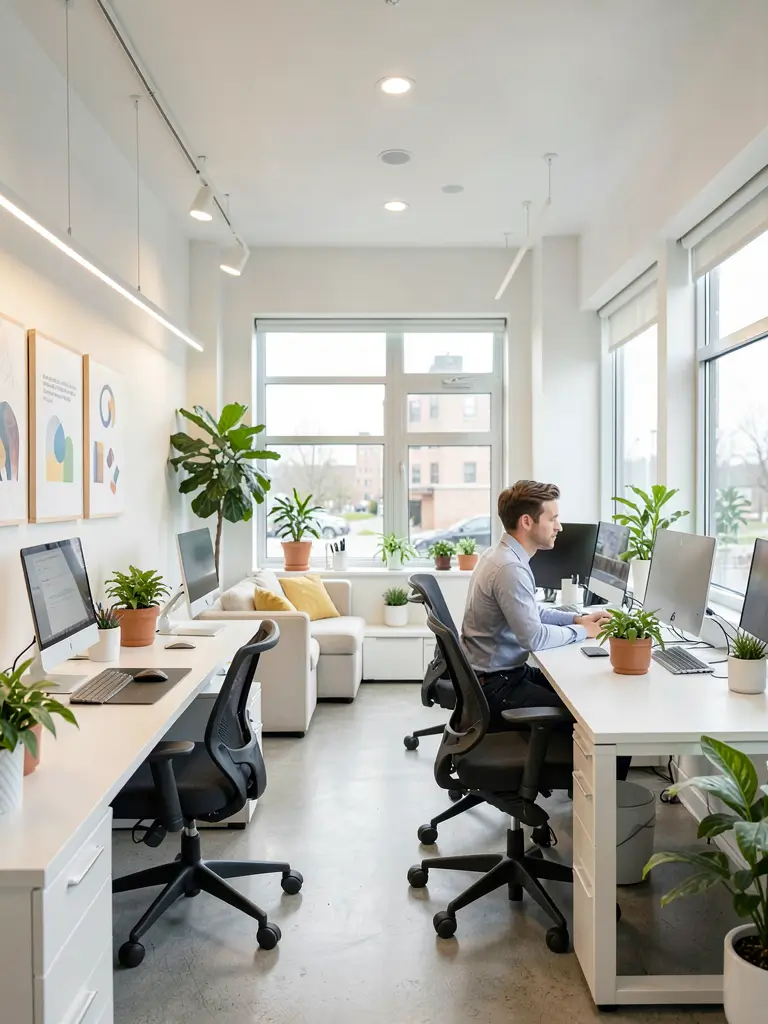
Here’s a fact that many businesses still under-appreciate: how comfortable your employees feel in their workspace directly affects how well they work. Discomfort — physical or psychological — drains energy, kills motivation, and increases turnover. Designing for employee wellbeing isn’t a soft priority; it’s a hard business decision.
Ergonomics as a Design Principle
Employee-friendly office design starts with ergonomics — the science of designing environments that fit the human body rather than forcing humans to adapt to poorly considered spaces.
Non-negotiable ergonomic elements:
- Adjustable-height desks that accommodate different body types and work preferences
- Ergonomic chairs with adjustable lumbar support, armrests, and seat depth
- Monitor arms that position screens at the correct eye level for each user
- Keyboard trays that allow a neutral wrist position during typing
- Anti-fatigue mats at standing desk positions
Design Spaces for Human Needs Beyond Work
The best employee-friendly offices provide spaces that acknowledge workers as complete humans, not just productivity units. Dedicated quiet rooms, meditation spaces, comfortable break areas, and outdoor access all contribute to a workplace culture that retains talent and sustains performance. These spaces communicate genuine organizational care — and employees notice.
9. Budget-Friendly Office Interior Design Upgrades That Look Expensive
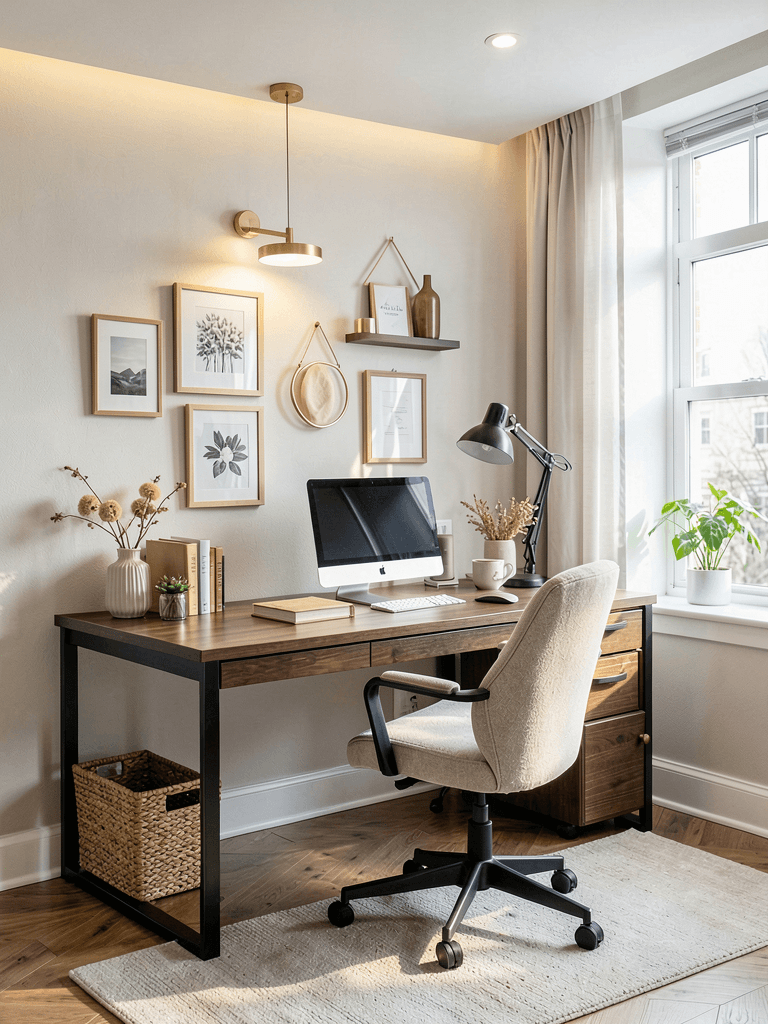
Redesigning an office on a tight budget sounds like a design challenge with no good solution — but that’s genuinely not true. Strategic, affordable upgrades can transform an office’s look and feel dramatically without requiring a full renovation. The key is knowing where to focus your limited budget for maximum impact.
Highest-Impact Budget Upgrades
Some improvements deliver dramatically more visual value than their cost suggests:
- Fresh paint — a new color scheme costs relatively little but changes everything about how a space feels
- Replacing light fixtures — swapping outdated overhead lighting for pendant lights or track lighting immediately updates the aesthetic
- New desk accessories — a coordinated set of desk organizers, cable management boxes, and consistent filing systems costs almost nothing but creates a polished look
- Plants and greenery — affordable, transformative, and proven to improve air quality and mood
- Quality window treatments — replacing venetian blinds with simple linen roller blinds or curtains adds significant polish for modest cost
Smart Shopping for Office Furniture
Budget office furniture shopping rewards patience and creativity. Secondhand office furniture from business liquidations often includes genuinely high-quality pieces at a fraction of retail price. Office furniture rental services offer another option for temporary or flexible setups. And IKEA’s commercial range — with the right accessories and thoughtful styling — consistently delivers far better results than its price tag suggests. 🙂
10. Office Interior Design Ideas with Natural Light and Greenery
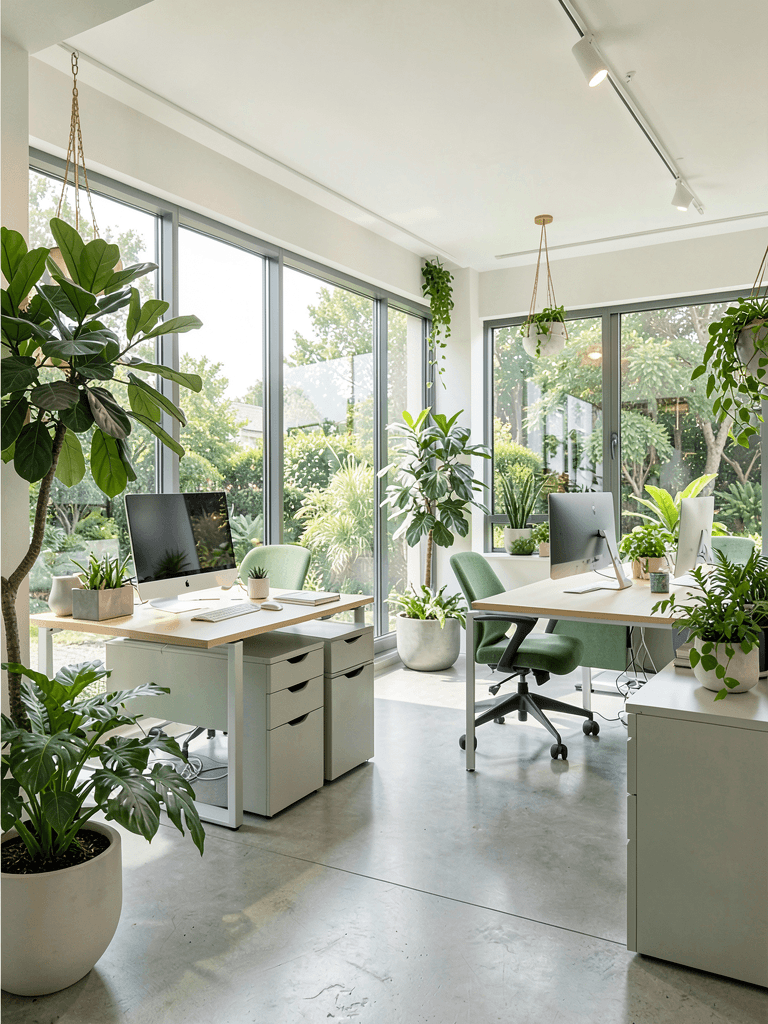
Natural light and greenery are arguably the two most powerful wellbeing tools available to office designers — and they’re consistently underused. Both have extensive research behind them supporting their positive effects on mood, focus, creativity, and physical health. An office that prioritizes both sends a clear message that it takes human performance seriously.
Maximize Every Beam of Natural Light
Position workstations perpendicular to windows rather than directly facing or backing onto them. This maximizes even light distribution while minimizing glare on screens. Use sheer window coverings that diffuse direct sunlight without blocking it entirely.
Design strategies to maximize natural light:
- Remove unnecessary internal walls or replace solid walls with glazed partitions to let light travel deeper into the floor plate
- Use light-reflective surface finishes — pale walls, polished floors, and glossy cabinet faces bounce daylight further into the room
- Position collaborative areas near windows since social spaces benefit most from energy and brightness
- Use artificial lighting that mimics natural light in windowless areas — circadian rhythm lighting systems adjust color temperature throughout the day
Integrate Greenery as a Design Element
Plants in offices improve air quality, reduce stress, lower ambient noise levels, and make spaces feel significantly more pleasant to inhabit. Choose plants strategically — large statement plants (fiddle leaf fig, monstera, bird of paradise) as focal points, and smaller varieties (pothos, snake plants, peace lilies) on shelves and windowsills throughout the space.
11. Contemporary Office Reception Design Ideas That Impress Clients
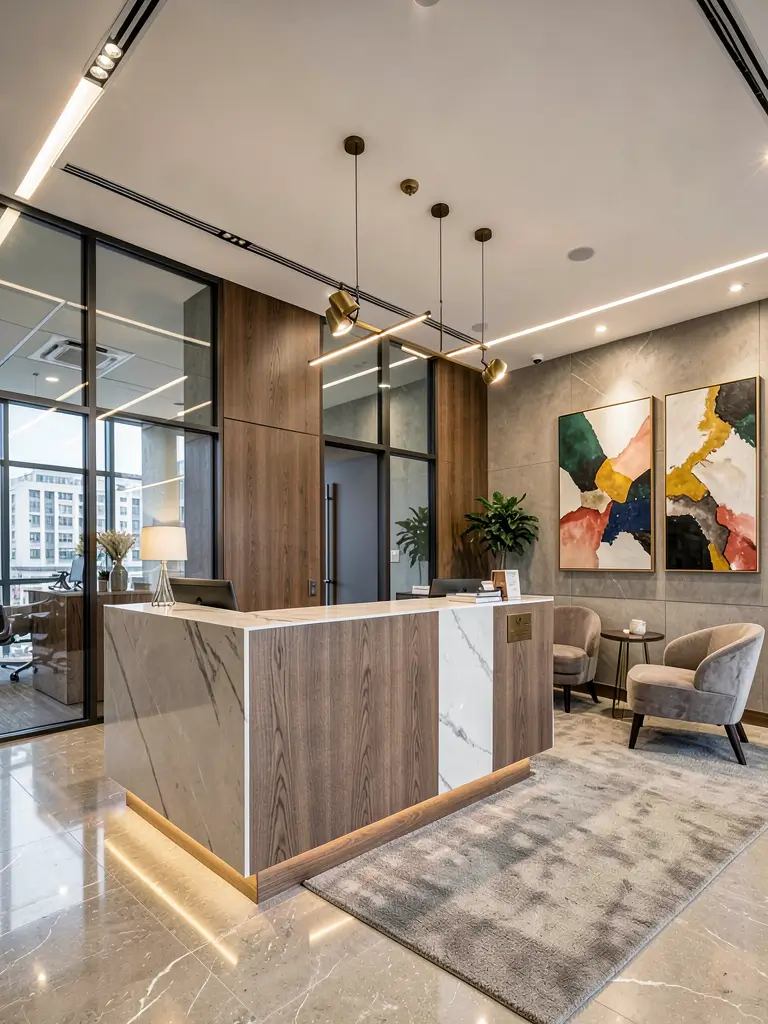
Your reception area forms every client’s first impression of your business — and first impressions genuinely matter. A stunning, well-designed reception communicates professionalism, attention to detail, and organizational confidence before a single conversation begins. A tired, neglected reception does exactly the opposite.
Design the Reception to Tell Your Brand Story
The best office reception areas don’t just look good — they communicate something specific about the organization’s identity, values, and character. A creative agency’s reception should feel energetic and original. A law firm’s reception should feel authoritative and precise. A tech company’s reception should feel innovative and forward-thinking. Every design choice should reinforce the brand narrative.
Essential contemporary reception design elements:
- A statement reception desk that commands attention and reflects the brand aesthetic
- Brand colors used intentionally — not plastered everywhere, but present in key moments
- Comfortable, stylish seating that communicates hospitality and respect for clients’ time
- Curated artwork or installations that spark conversation and express personality
- Excellent lighting — both functional for the reception staff and atmospheric for waiting visitors
- Clear wayfinding that removes confusion and adds to the professional impression
12. Hybrid Workspace Office Interior Design for Flexible Teams
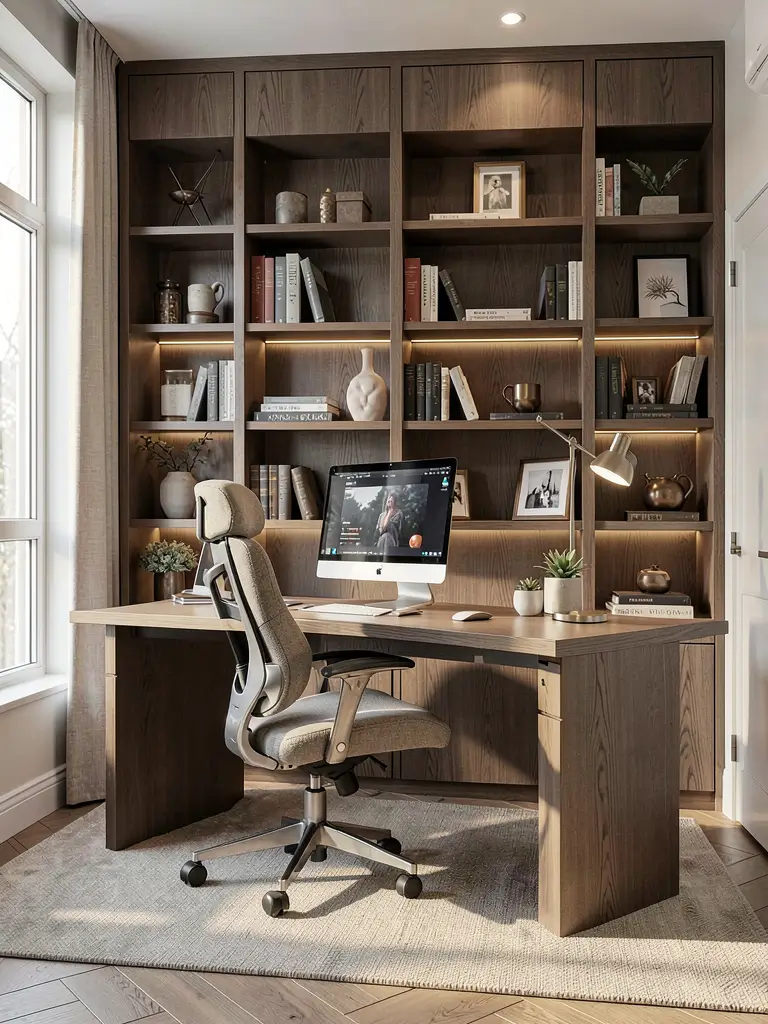
The hybrid working model changed office design permanently — and for the better. When your team splits time between home and office, you need a workspace that actively justifies the commute by offering something genuinely different from what people can access at home. That’s a real design challenge, and it’s one worth taking seriously.
Design for the Reason People Come In
People choose to come into the office for collaboration, social connection, and access to resources they don’t have at home. Your hybrid office design should prioritize exactly those things rather than replicating the focused solo-work setup that remote workers already have on their own desks.
Key hybrid workspace design features:
- Hot-desking systems with app-based booking and personal storage lockers for team members without fixed desks
- An abundance of meeting rooms in various sizes — from one-to-one booths to full team meeting rooms
- High-quality video conferencing equipment in all meeting spaces so remote participants feel genuinely included
- Collaborative project spaces with writable walls, large screens, and flexible furniture arrangements
- Exceptional amenities — great coffee, comfortable lounge areas, and genuinely nice bathrooms — things that make the office a destination rather than an obligation
13. Elegant Home Office Interior Design Ideas for Remote Professionals
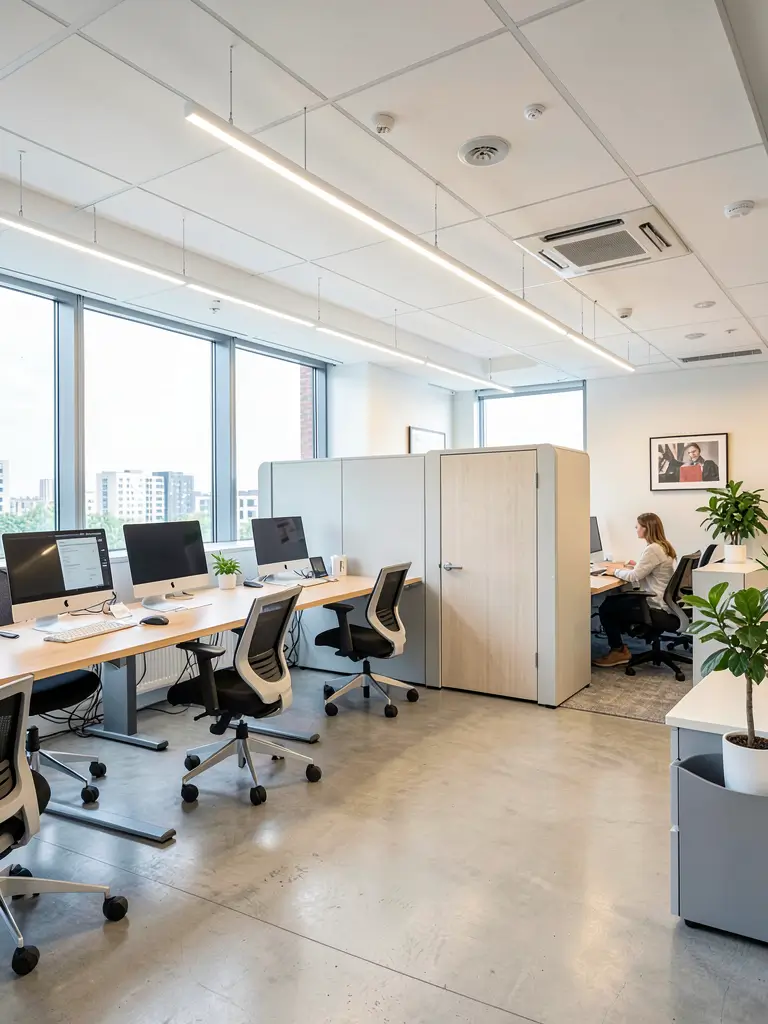
Working from home is now a permanent reality for millions of professionals — and the home office setup has moved well beyond a laptop on the kitchen table. FYI, a well-designed home office doesn’t just look good on video calls; it fundamentally changes how you experience your workday.
Separate Work From Home Psychologically
The most important home office design principle isn’t aesthetic — it’s psychological. Creating a clear physical boundary between your work space and your living space helps your brain shift between “work mode” and “home mode” more effectively, which is crucial for both productivity and genuine rest.
Elegant home office design essentials:
- A dedicated room or clearly defined area — even a well-designed alcove counts
- A quality desk that feels professional and inspiring, not makeshift or temporary
- Proper task lighting alongside ambient lighting for video calls
- Built-in or freestanding shelving that organizes work materials beautifully
- A comfortable, ergonomic chair — because your kitchen chair is genuinely not good enough for 8 hours of work
- Personal touches that reflect your taste — plants, artwork, objects that make the space feel yours
The Video Call Background Question
Whether we like it or not, your home office background communicates something about you professionally on every video call. A clean, well-lit, thoughtfully styled background — with a few interesting but not distracting elements — signals organization and professionalism. It’s a small thing that makes a real difference.
14. Corporate Office Interior Design Makeover Ideas for Brand Identity
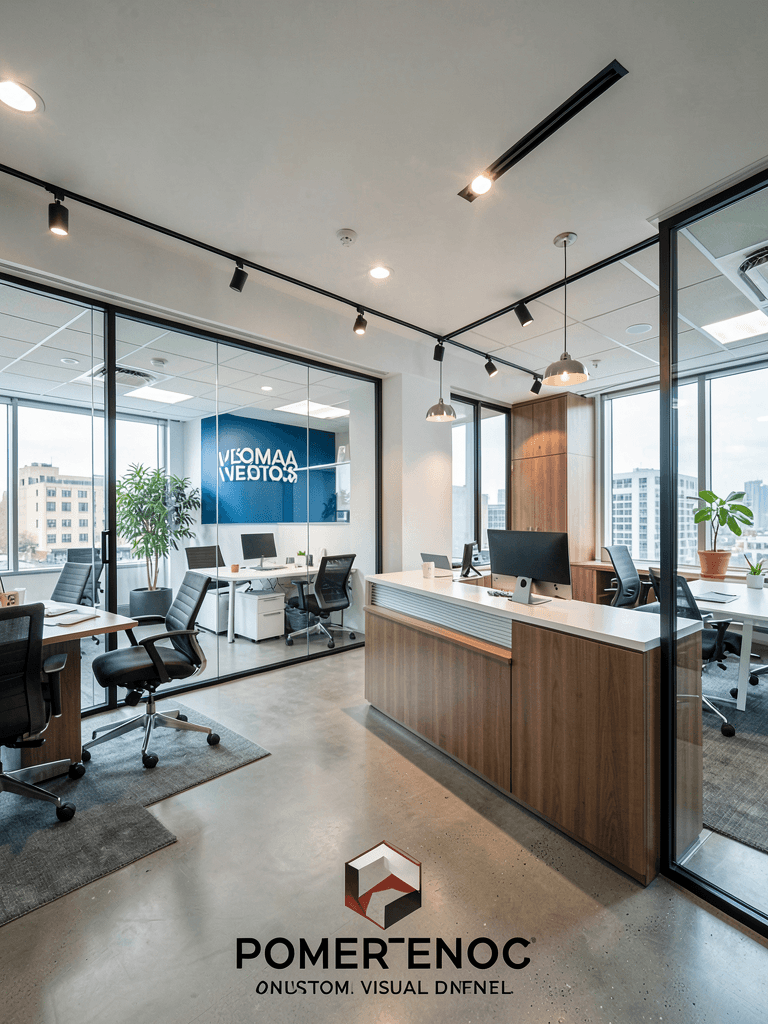
A corporate office is one of the most powerful brand communication tools a company possesses — and most organizations completely underutilize it. Your physical workspace tells employees, clients, and partners exactly what your organization values, whether you design it intentionally or not.
Express Brand Identity Through Design Language
Translating brand identity into physical space requires moving beyond simply using brand colors on the walls. True brand-aligned office design uses space planning, material choices, lighting, and spatial experience to communicate organizational character at a deeper level.
Ways to embed brand identity in office design:
- Brand colors in strategic moments — feature walls, furniture upholstery, and graphic elements rather than everywhere at once
- Material choices that reflect brand values — a sustainability-focused company uses natural, recycled, and renewable materials throughout
- Spatial typology that matches company culture — an open, transparent company designs open, transparent spaces
- Art and installations that tell the company story — timeline walls, mission statement features, and photography celebrating the organization’s people and history
- Consistent material language across all touchpoints — from the reception desk to the bathroom fittings
15. Productivity-Boosting Office Interior Design Ideas for Modern Businesses
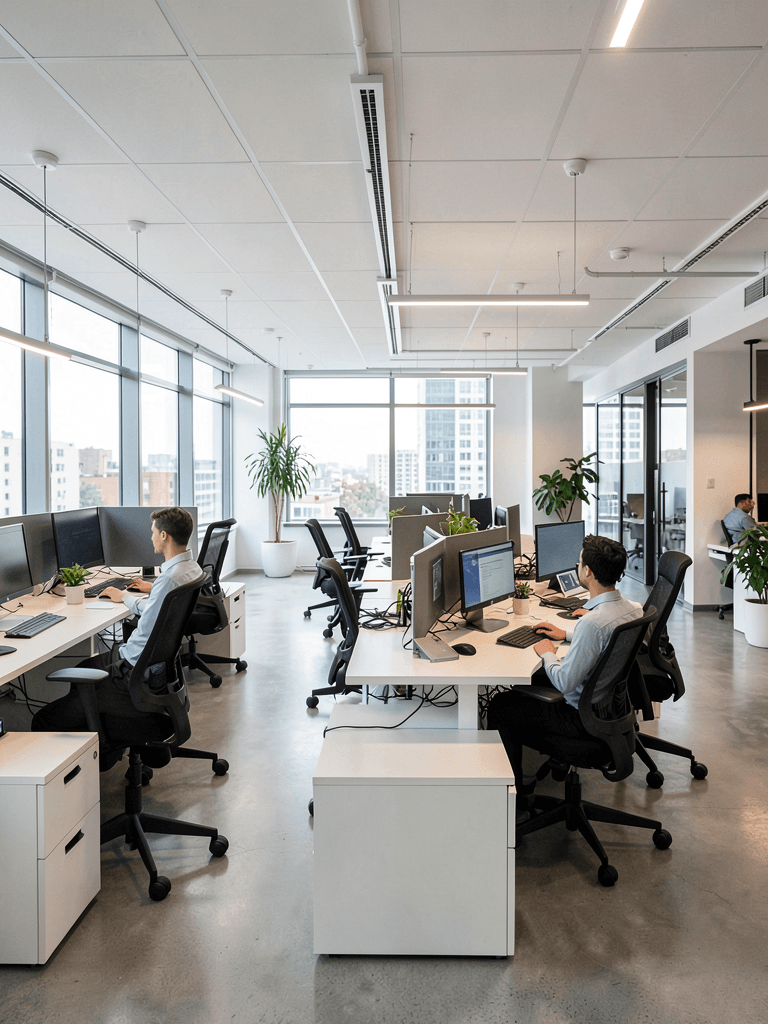
Everything in this article ultimately serves one goal: creating a workspace where people do their best work. Productivity-boosting office design brings together the best elements of every other design category — ergonomics, lighting, acoustics, storage, and spatial planning — into a cohesive environment that supports high performance.
The Productivity Design Checklist
When assessing whether an office design genuinely supports productivity, run through these fundamentals:
- Lighting quality — natural light prioritized, with warm artificial lighting that supports circadian rhythms
- Acoustic management — noise levels controlled through design rather than tolerance
- Ergonomic infrastructure — every workstation properly equipped for the human using it
- Thermal comfort — temperature regulation that keeps people comfortable, not fighting their environment
- Air quality — ventilation, plants, and humidity control that support clear thinking
- Break space quality — proper spaces for genuine rest and social connection during the workday
Design for Energy, Not Just Function
The most productive offices don’t just eliminate negatives — they actively generate positive energy. Color psychology, spatial variety, biophilic elements, great coffee, and genuinely comfortable social spaces all contribute to an environment where people feel genuinely good about being. And when people feel good, they work better. It really is that straightforward.
The Bottom Line on Office Interior Design Transformation
There you have it — 15 modern office interior design ideas that cover every type of workspace, every budget, and every organizational priority. From maximizing a small office to creating a brand-aligned corporate headquarters, every idea on this list gives you a real, actionable path toward genuine workplace transformation.
Here’s my honest summary: the single most important thing your office design should do is make the people who use it feel respected, supported, and genuinely well-served by their environment. When a workspace does that — whether it’s a minimalist home office or a sprawling open-plan corporate floor — productivity and satisfaction follow naturally.
So look at your current workspace honestly. Does it energize or drain? Does it support focus or fight it? Does it represent your professional best? If the answers disappoint you, pick one idea from this list and start there. One intentional change leads to another, and before long, your workspace genuinely reflects the quality of work you do inside it.
Your office transformation starts with a single decision. Make it today.